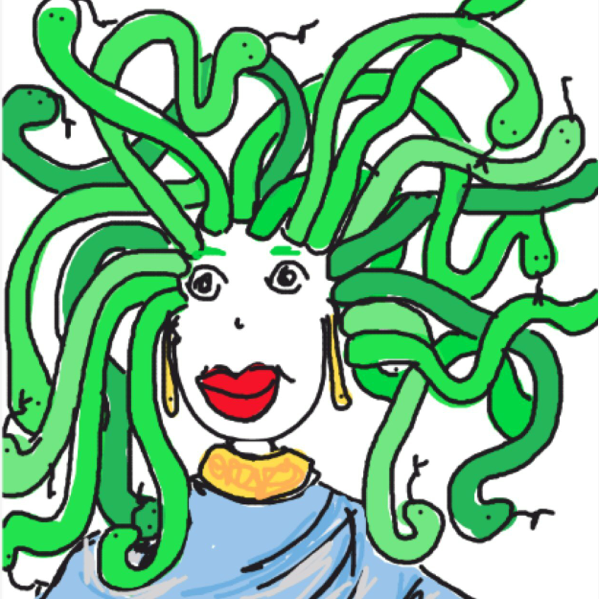
I’m always very annoyed when people begin stories about lindy hop or Frankie Manning with ‘and the Savoy was unsegregated heaven’ or ‘he came out of retirement to …’
We should begin with “Lucille Manning left Florida and the violent racism of the south in 1917, moving north to Harlem, New York. She found a Harlem in the grip of social and creative revolution, as six million Black Americans just like her left the south for the promise of northern cities.”
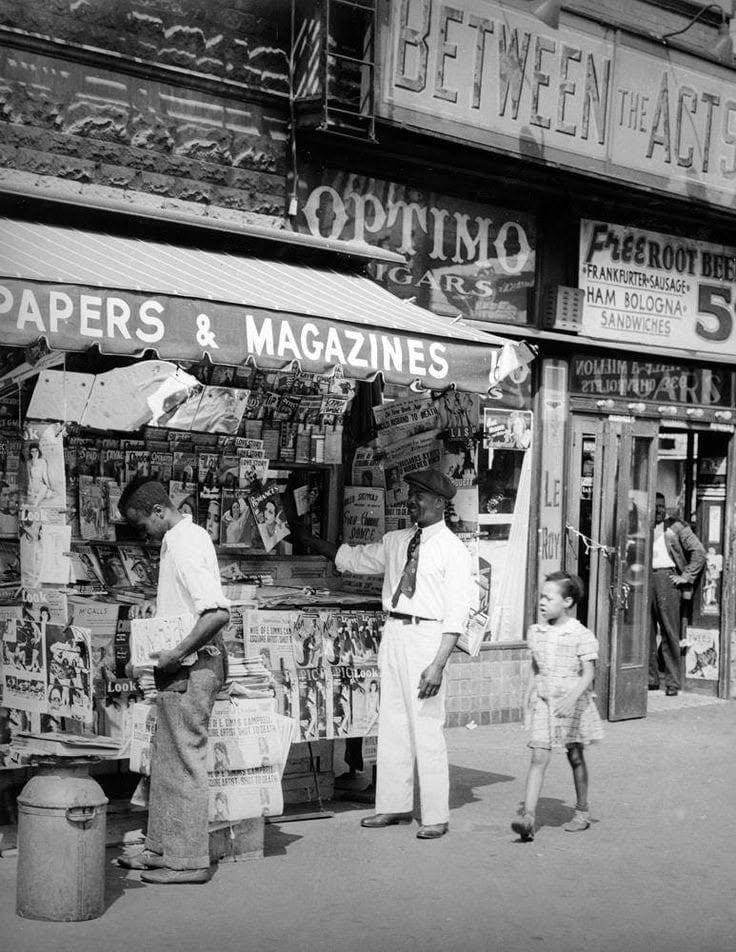
And then there should be a bit about the Harlem Renaissance, and what it was like to be living in Harlem between the 1910s and 1940s. Not the stuff about how heavenly the Savoy was. The stuff about the exciting political activism, floods of books and magazines and journals, weekly public speeches on modern issues in the street, the importance of libraries and community arts centers, and the way a small part of a big city was stuffed full of creative people inspired by the New Negro movement. And how the drugs and drink and queer sex and cross dressing and sex work were as important to the street economy and community as the women who held it all together. The stuff about the Savoy can come after all that. The five thousand people who came through its doors each night were also book sellers and activists and librarians and teachers and truck drivers and unionists.
Let’s stop telling bullshit stories about Great Men. That’s white man kenburns bullshit. Black history is about matriarchal communities, collective action, and thousands of silent Black Americans walking down Fifth Avenue to protest white racial violence. It is fierce political activism, and Zora Neal Hurston tossing a red feather boa over her shoulder and declaiming “Color struck!” as she swanned into a room.
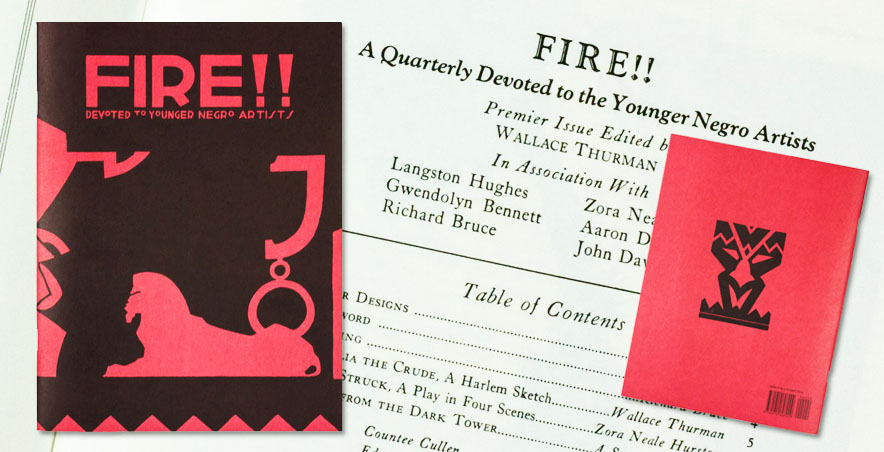
The magazine ‘Fire!!: Devoted to Younger Negro Artists’ included the (super gay) story “Smoke, Lilies, and Jade, A Novel, Part I,” by out queer author Richard Bruce Nugent in its only issue (1926). Wallace Thurman, another out queer man also published a piece in the magazine. As did Langston Hughs (who was sexually ambiguous). This magazine featured the hot and the new of the younger generation of Harlem Renassaisance artists, who called themselves the ‘Niggerati’. The name was designed to shock. You can read the magazine here.
Footage of the Silent Parade, 28 March 1917.
The protest was a collaboration between a number of civic and political groups including NAACP, church groups, etc, and it was explicitly designed to call attention to the lynchings in the south.
This is the important part: Black southerners didn’t just ‘flee north’. They went north, got organised, and got out on the fucking street in the thousands.
Lynching was not criminalised in the US until 2022. Lynchings of Black Americans continue today.
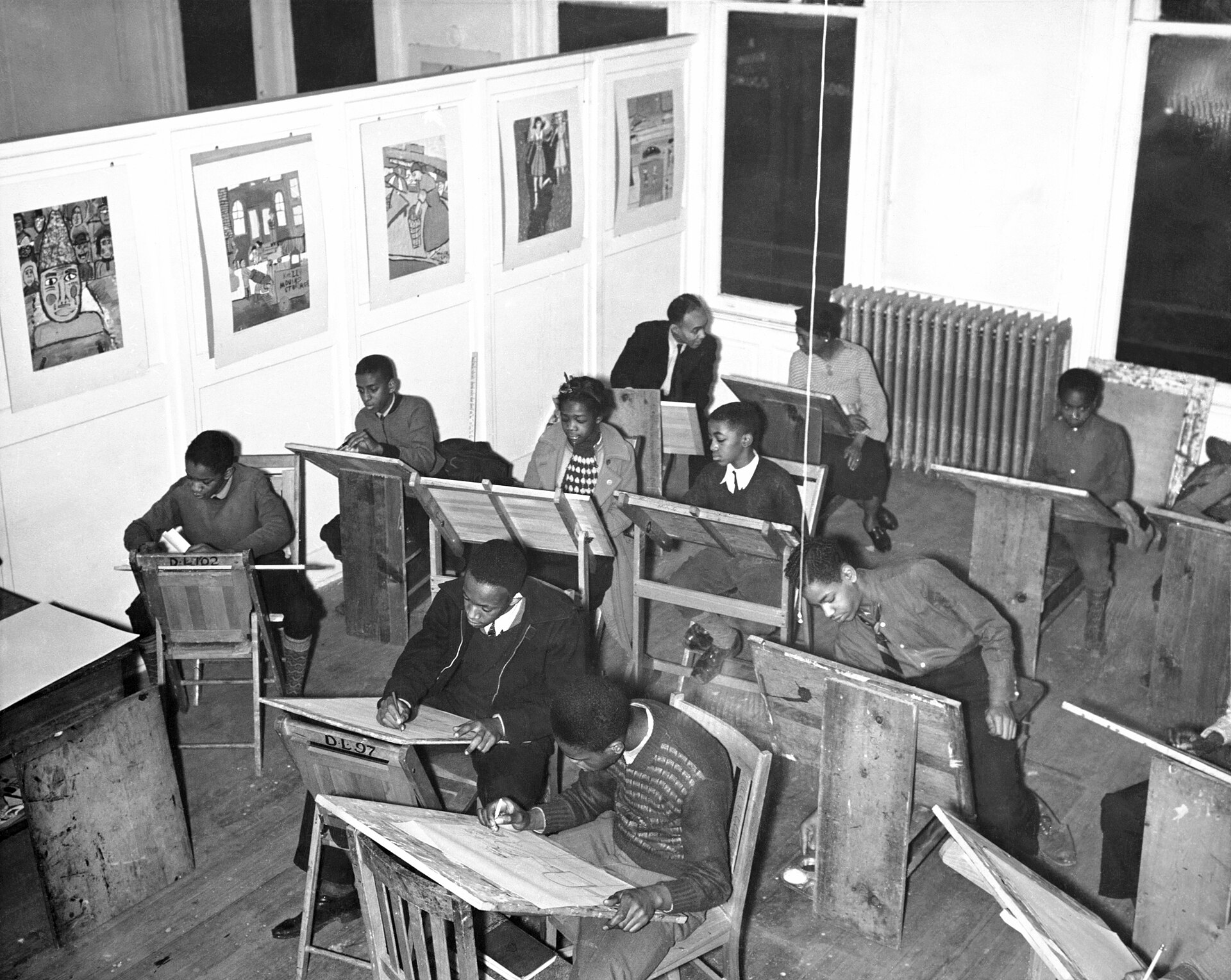
The Harlem Community Arts Center was founded in 1937, and funded by the WPA. It was run by Augusta Savage and then Gwendolyn Bennett. 70,592 people attended activities at the center in its first 16 months. Why so many? I haven’t looked up the facts on that yet (some of the links are broken and I’m worried the sources have been purged by the Trump govt). But it’s no doubt a combination of a very crowded neighbourhood, the high profile of the center and its members, a multicultural staff and membership, services for kids and adults, and just a big old interest in the arts and culture in Harlem itself. Harlem folk like a show, I guess.
I am excited about Harlem Renaissance again because I’ve just listened to this podcast: Harlem is Everywhere. It’s very accessible, and gives lots of good info, all in shortish episodes.
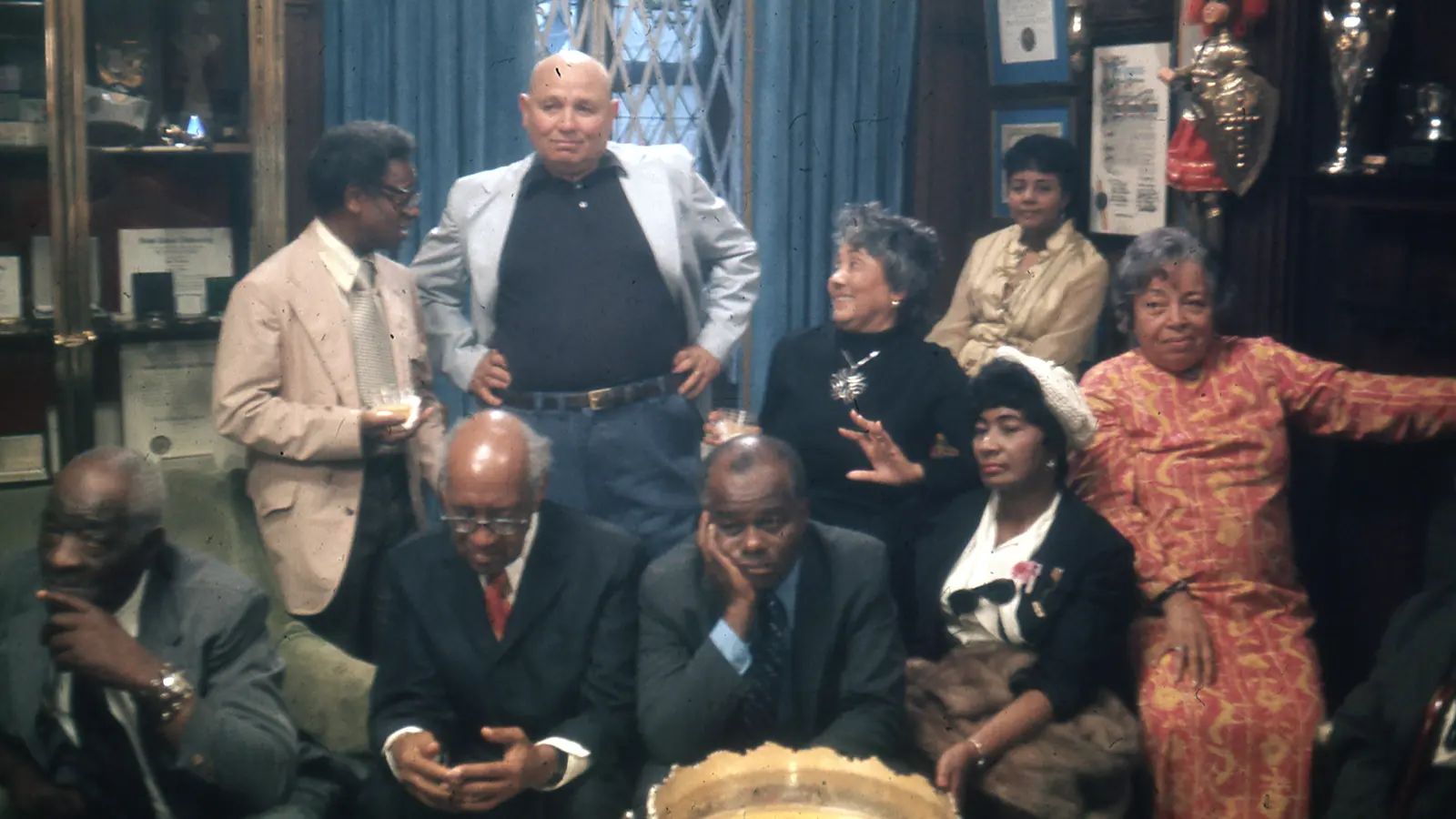
I also saw this film, ‘once upon a time in harlem’ at the SFF this weekend.
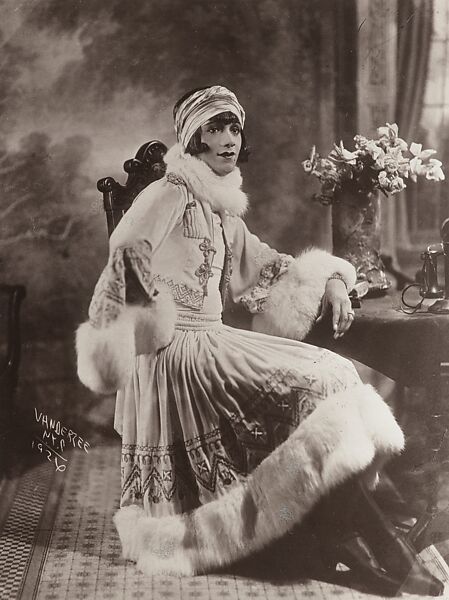
I spent quite a bit of that film with my mouth hanging open. The photographs I’d shown in my film talk the other day were taken by the man on the screen, James van der Zee, talking about living in Harlem in the 20s and 30s.
And there’s Eubie Blake talking about writing Shuffle Along with Noble Sissle. And there’s NOBLE SISSLE TALKING ABOUT WRITING THE PLAY AND I NEARLY EXPLODE.
This film made it clear how important women and collectivism were to Harlem in the 20s-40s. Black women librarians managing the building where writers like Langston Hughes wrote. Black women organising the parties and dinners and salons where these people got together and talked and argued and thought. Augusta Savage running the Harlem Community Art Center. Iolanthe Sydney, a Black woman renting the ‘Niggerati Manor’ to young radical artists very cheaply because she wanted to support the arts.