Saturday is class squee day!

Today was week 1 of our lindy hop class block, and we had a lovely time doing swing outs and break steps and jazz and stuff. I squeed when they did their first swing outs. Does it ever get old? No. They always feel the feelings when they get out there.

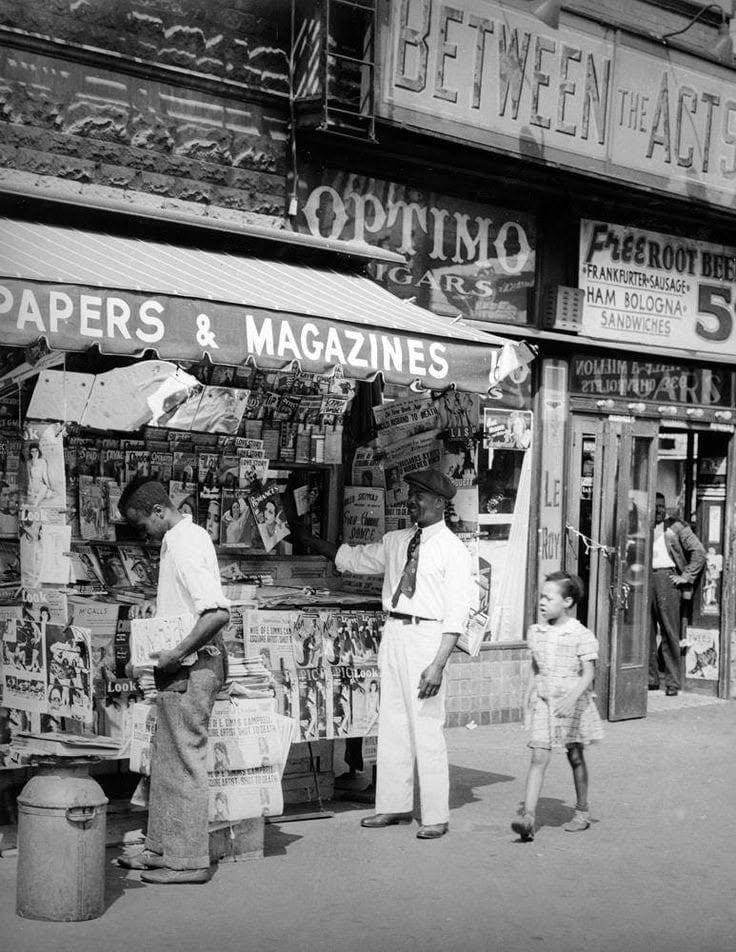
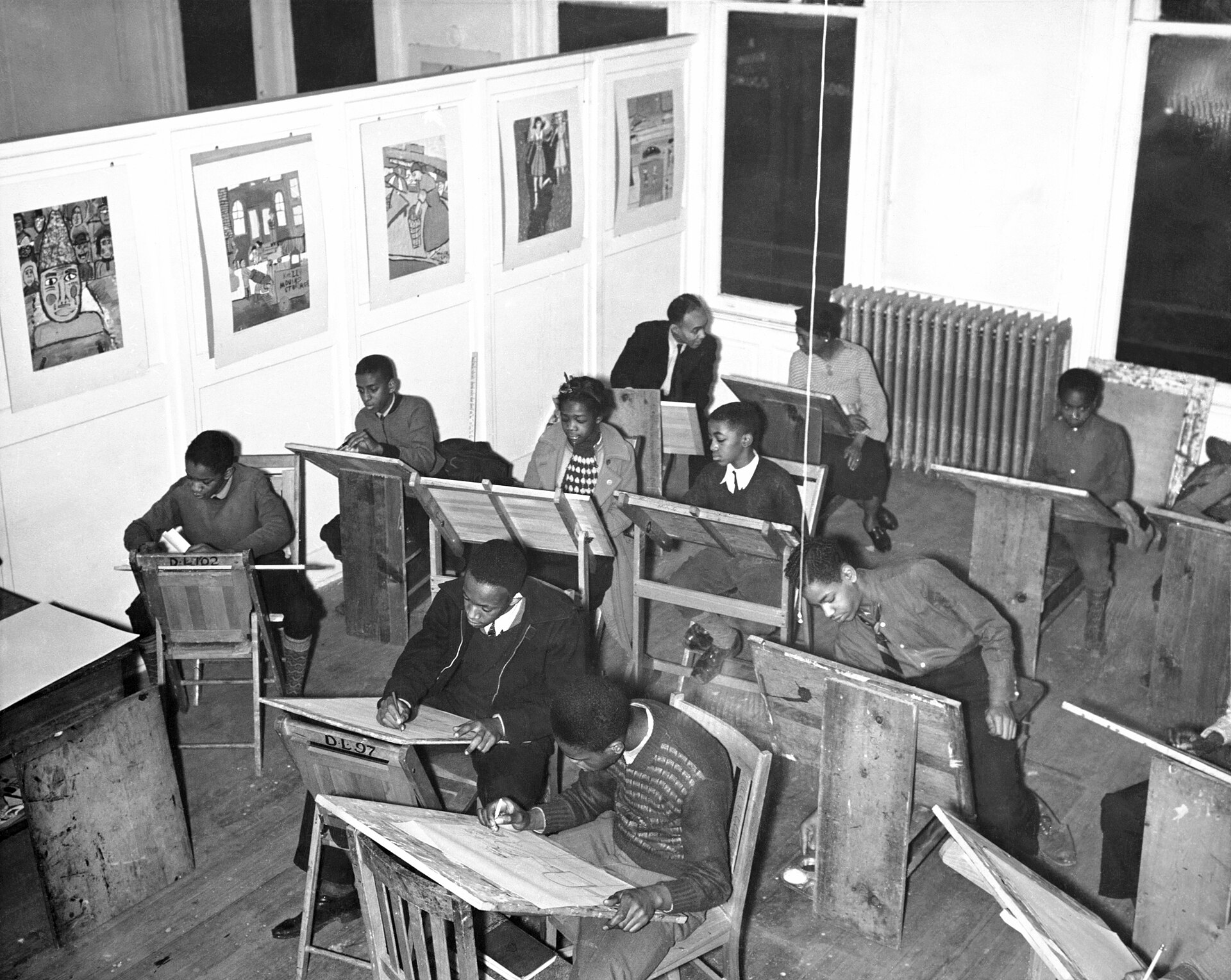
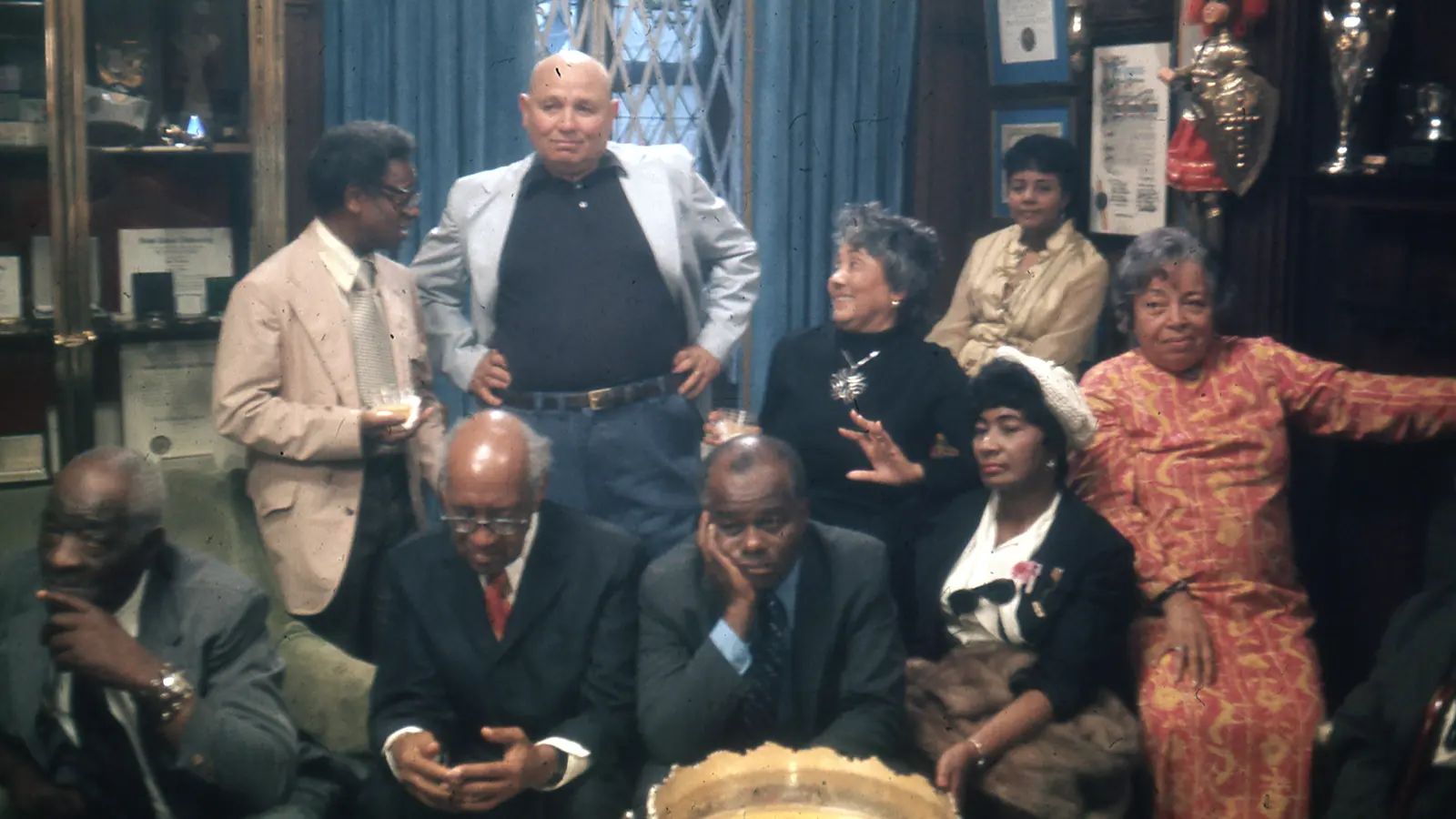
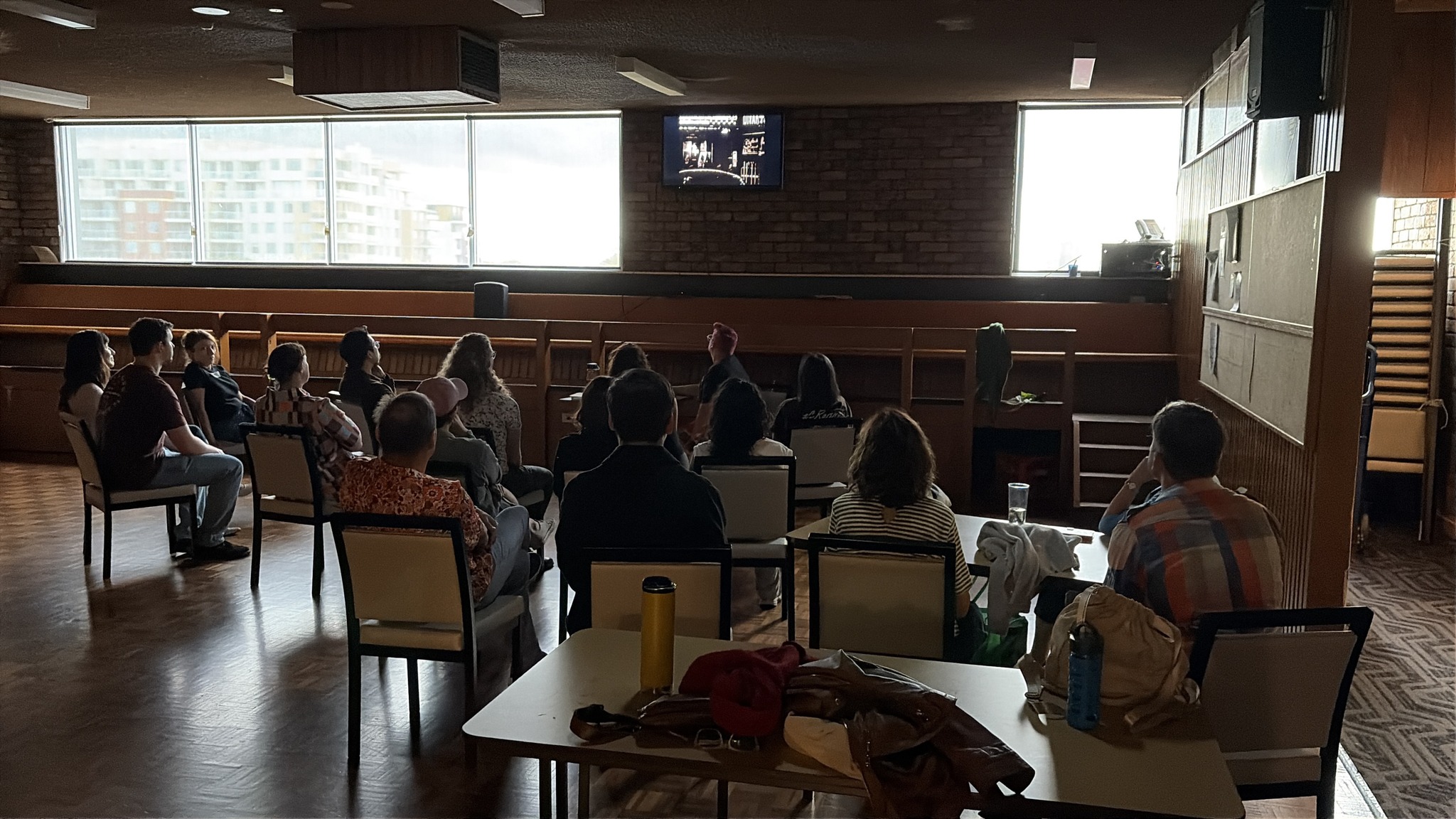
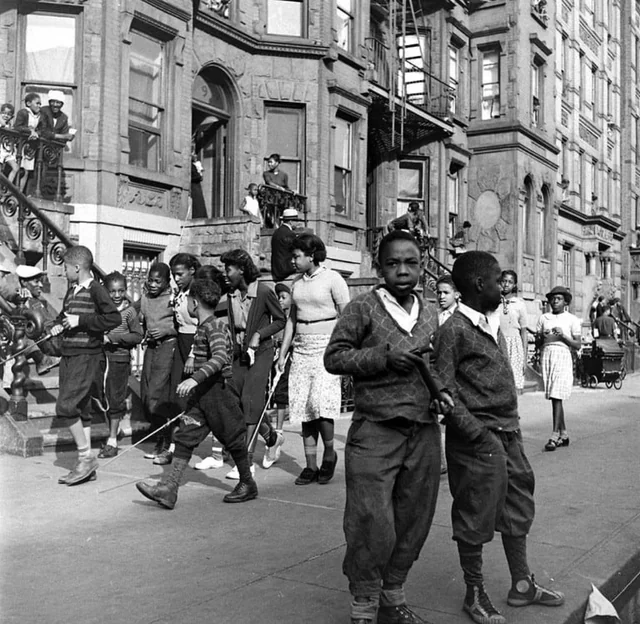
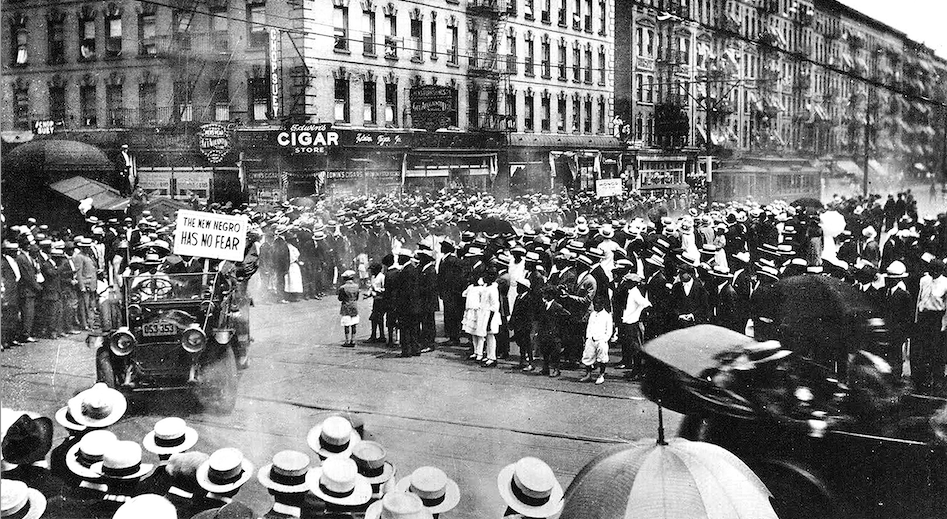
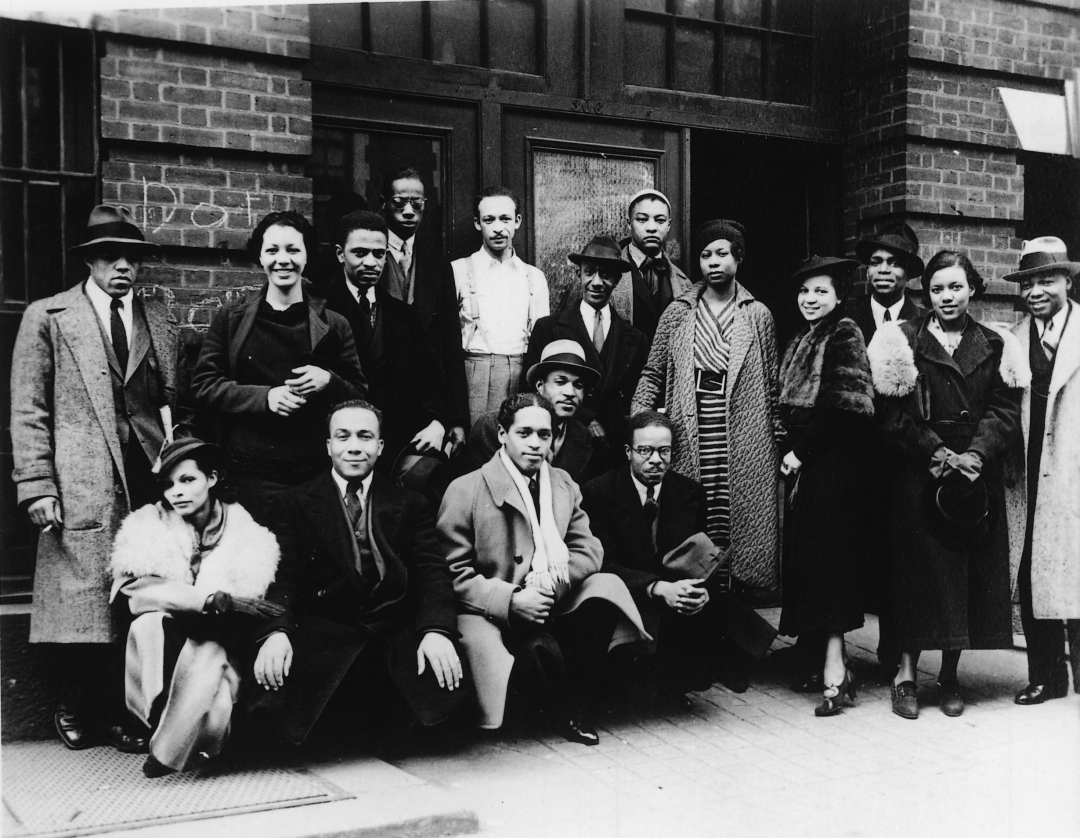
After the class I did a little show and tell with photos and videos. The goal was to explain who Frankie Manning was, and what it was like in Harlem in the 20s and 30s.
I really wanted to position Frankie and the other lindy hoppers as part of that Harlem community. Not individual superheroes. People who were part of a neighbourhood.
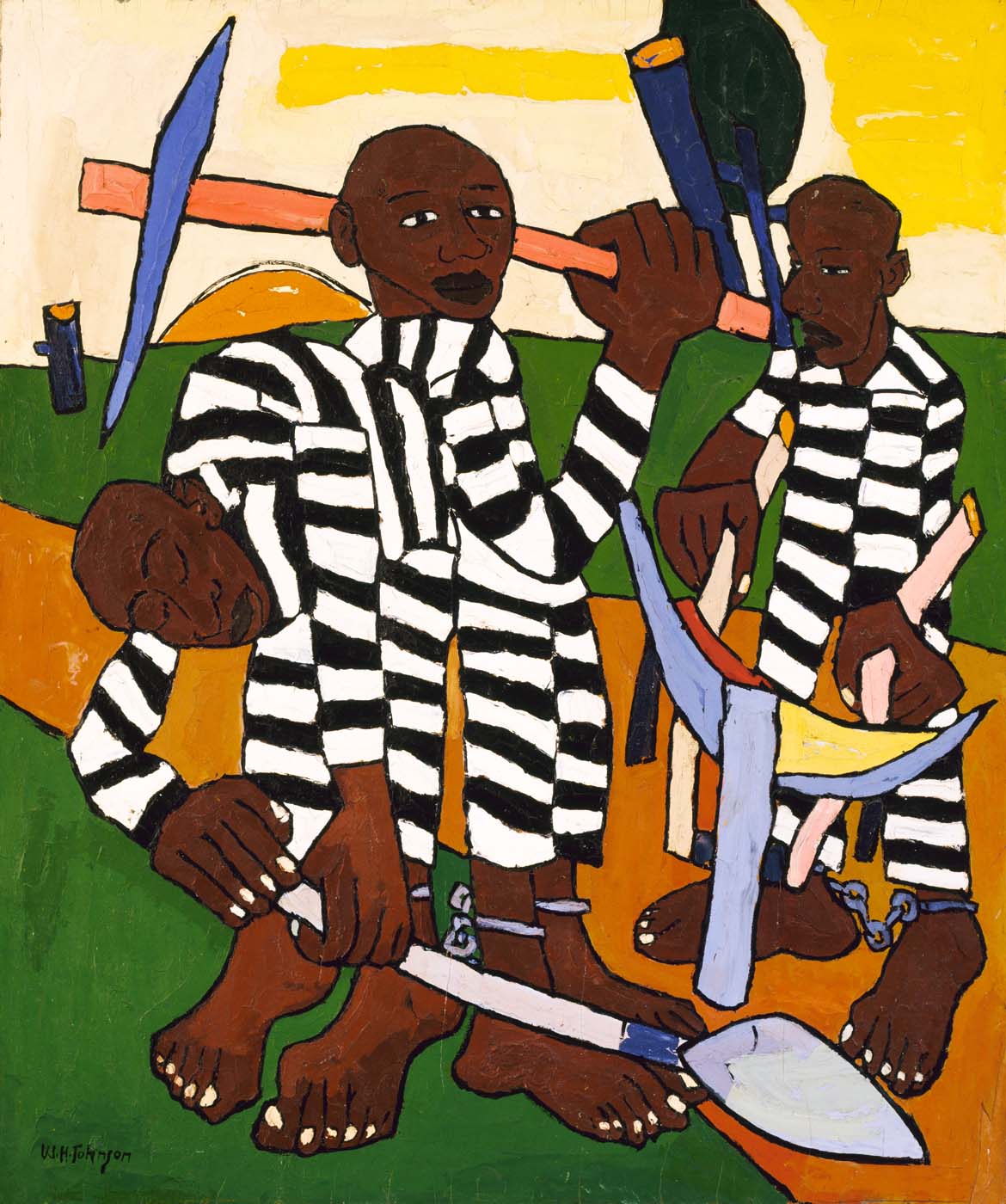
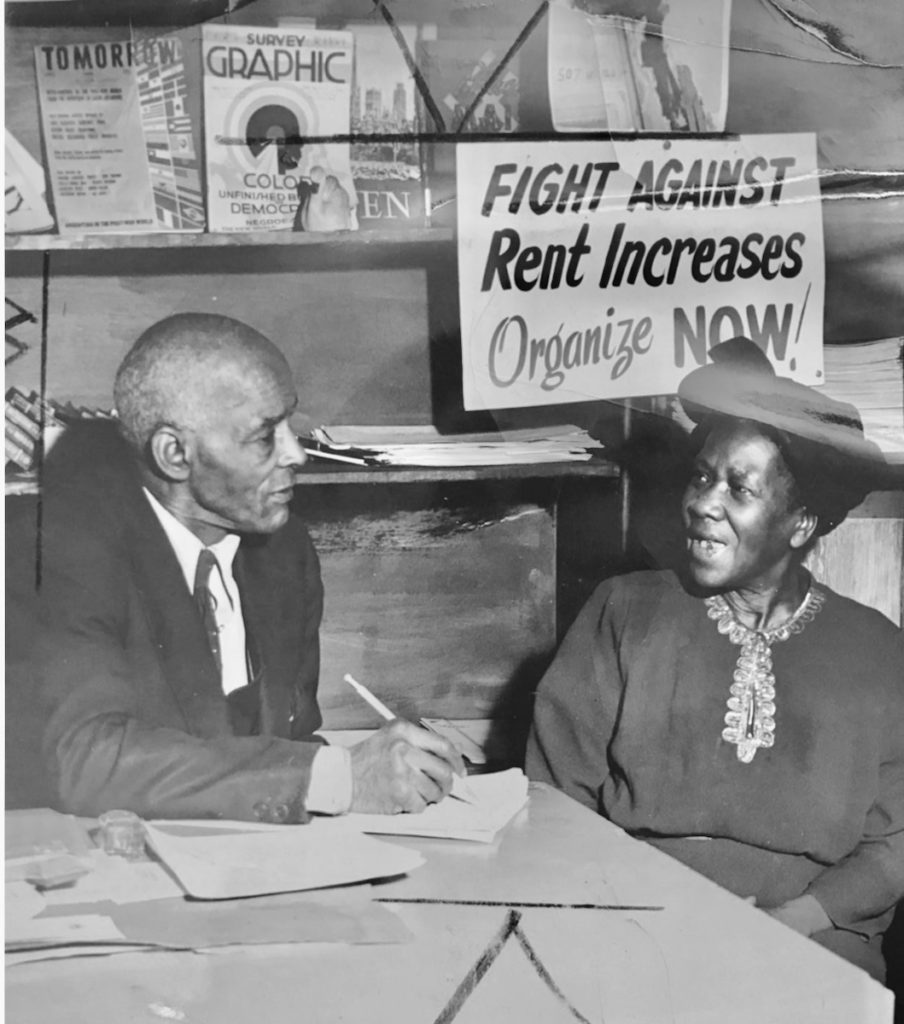
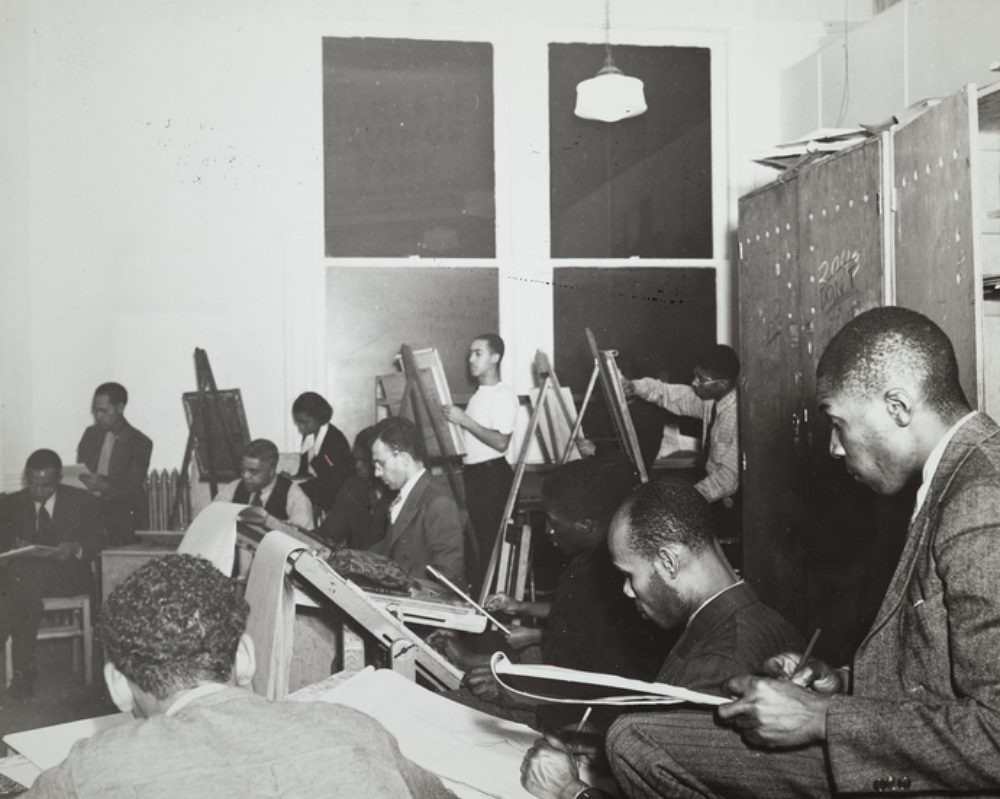
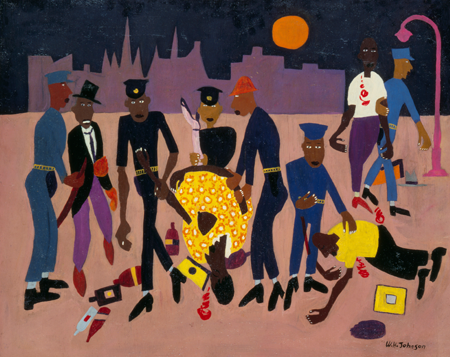
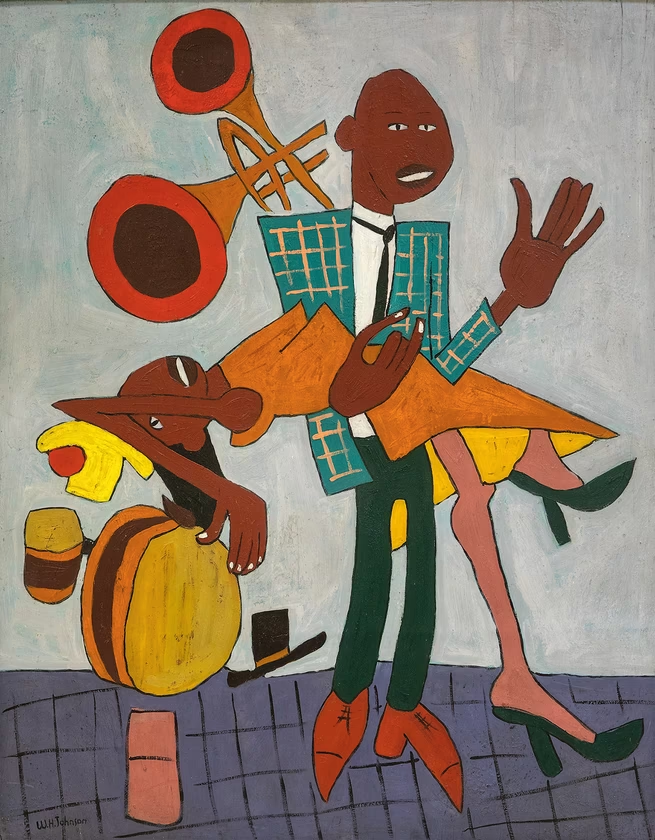
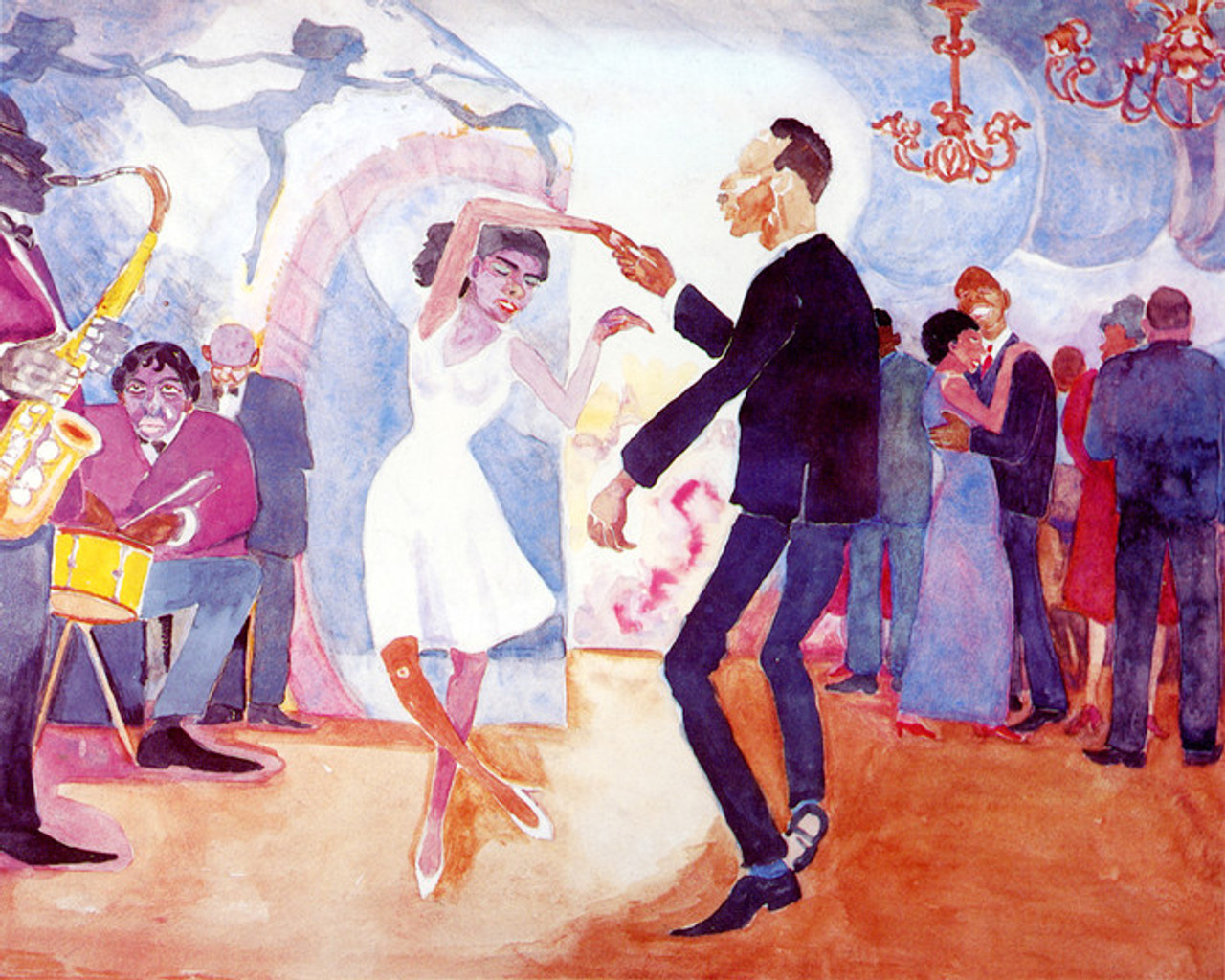
So I had photos and vids of dancing and music and community activism and poetry and theatre and art and the New Negro movement and renters’ unions and Harlem Renaissance and clubs and rent parties. I used a mix of photos of people and of huge bright paintings, videos, and gifs.

And videos of people doing mad air steps and swinging out.

Things that were cool:

  • we did it straight after week 1 class of the new beginner lindy hop block. Peeps were tired, but also relaxed and feeling happy and friendly.
  • we got to sit down and see the stuff we’d learnt in class done by the kings and queens
  • we all got to chat and get to know each other in a less formal environment. I used a script with some bits I’d read out (eg quotes from Frankie’s book), but mostly I used a casual chatty style. Because of the crew (my old friends, a bunch of rowdy friends, relaxed happy people) they interrupted to ask questions and point stuff out. PERFECT.

I strongly recommend doing a little film session like this with your students, in their class space. Helped develop cohort, really let them see what lindy hop was like danced by people like Frankie Manning, let them see who the people we talk about look like, etc etc.
I’d keep it to a shorter length (we took about 40 minutes), and I’d aim for a chatty relaxed style that keeps them engaged, rather than a long formal lecture where they fall asleep.

My favourite part was their reactions to the videos!
They’d laugh at stuff I’ve seen other people laugh at – pecking, weird crazy leg stuff, etc. They’d ooh and aaah at aerials.

And a really cool thing – I showed them footage of Frankie teaching a lindy hop class, because I wanted them to see how he taught, and the effect it had on people in the room. They all reacted the same way the people in the class in the video reacted! Laughing, oohing and ahhing, engaging. It was really cool to see.

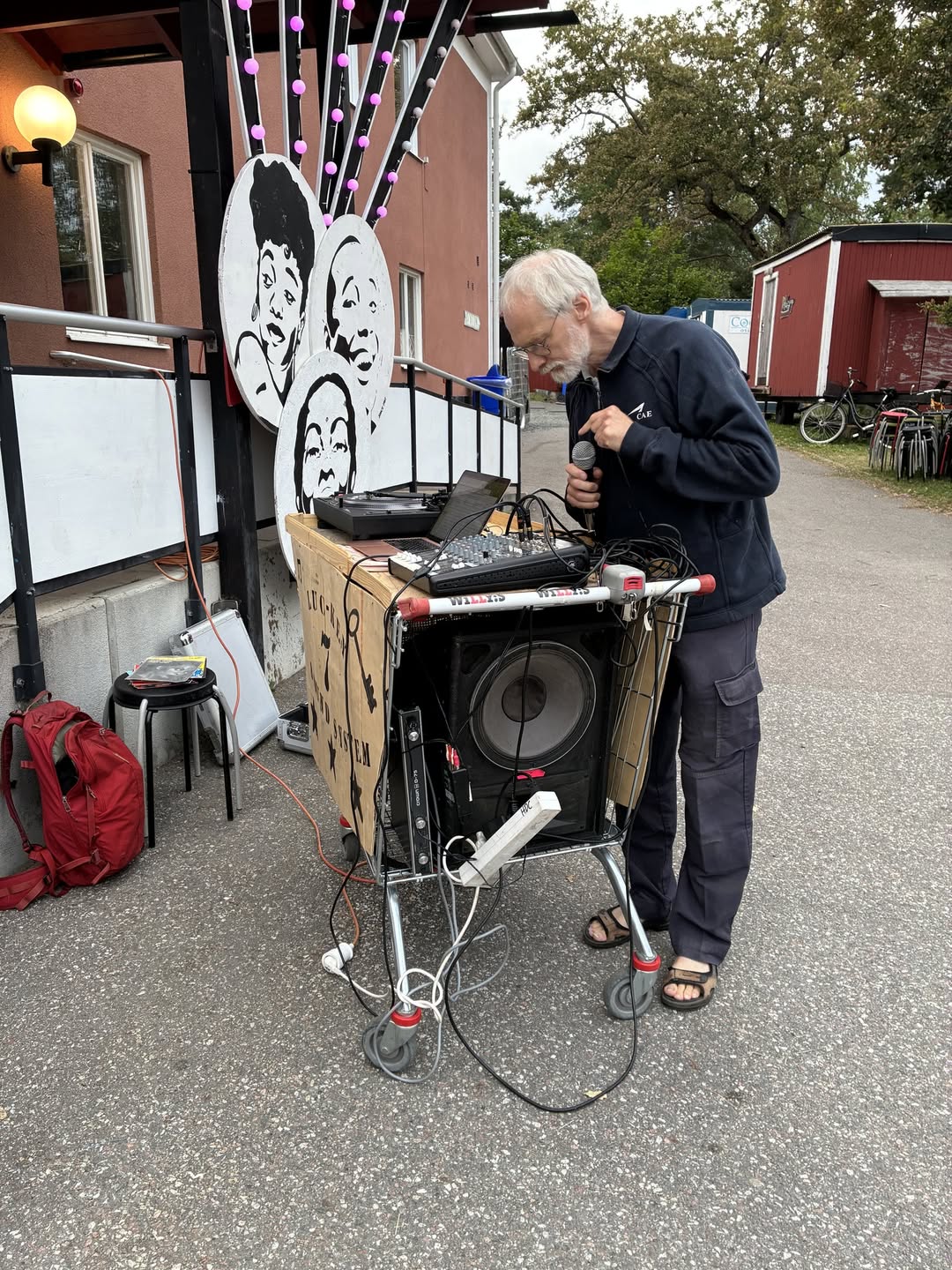
Anyway, there’s a pic of some of the crew at the top of this post. After this session I found a HUGE projection screen in the storage room. Better buy a projector, aye?

Community vibes – how do you grow a crew?

Ah, that most perennial of questions.

I’ve recently started teaching lindy hop again, and while mostly it’s been a lot easier than when I first set up a business and class, there are the same usual challenges: how to get students to stay for the whole block, how to be welcoming without making it weird, how to balance the work with the fun for me.
I actually feel ok about the teaching itself, and the marketing and promotion side of things. The interesting bit for me is figuring out where I, my class, and the peeps in my class fit into the bigger local scene. How and when do I look at running social dancing? How do I stop my social dancing being some weird stand alone thing instead of a natural progression from classes? How do I make the right conditions for community?

Or as I said to my friend, it’s like I’m asking myself, “How do I make friends?!” I am not a shy person. I should know this. But I’m curious to see how other people do this.

What are the things about your club/class/party/crew that make it fun and somewhere people want to be?

I know from experience that the way to build a cohort and a little group of peeps is to use my social skills so they can make friends. Welcome everyone individually. Learn names. Ask them about themselves. Drinks and snacks after classes, time to talk and make friends in class. Spend more time on making connections with the students who come to class than with trying to sell classes to people who haven’t come.

Ideally, I’d like to just have them all get into trying out ‘social dancing’ ie, just dancing, in the space right after class. And also taking time to eat snacks (the snack table is where people chat), have a drink, get to know each other. The dancing part is lovely, but the getting to know each other part is essential.

Anyway, Julia Loving just put me onto this fantastic panel session they did in NY in 2019. They spend a bunch of time in the question time talking about how to get young folk, especially young Black folk into lindy hop. Once again, white girl me should be listening to Black elders to learn. The things I see and hear them say:

  • Providing food, Ronald Jones says. A basket of chicken for some kids in a basement. A buffet dinner in the room where the panel is held. This makes complete cultural sense to me from my family and background.
  • Respect the young people, Ronald says. Don’t treat them like babies or fools. Treat them like thinking, responsible people.
  • If you’re a young person, sit with the elders, Mickey Davidson demonstrates. Listen to them, learn from them, earn their respect. ie show respect. And you’ll be gradually included.
  • Play music at the party.
  • Make your gig physically accessible (ie not way over the outside of town).
  • Make some jokes, laugh at some jokes.
  • If someone’s talking to you (whether it’s in a mic on a stage or at the snack table), make the active listening noises: hello! Oh yeah! Whaat? The Black audience listening to the panel session demonstrate. We don’t like a silent, stiff crowd, right?

Black women in lindy hop: getting shit done

After doing a bunch of reading and digging, these are some of the important things I’ve learnt about lindy hop in the 1970s and 1980s.

The New York Swing Dance Society doesn’t get the props it deserves for running parties that got people out and dancing (including Frankie and Norma and other OGs).

Community spaces – bars, clubs, church halls, social clubs, basements – were where lindy hop lived during these decades. It didn’t die. It was busy.

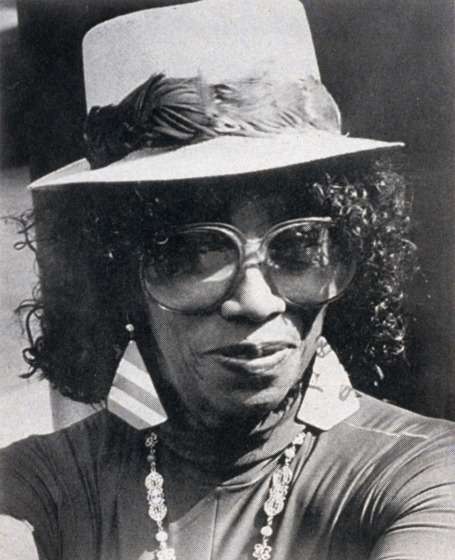
Norma Miller wearing her Menton Buck Clayton Hat, Photograph by Nancy Miller Elliot, Courtesy Norma Miller

Norma Miller was really important. She was the sort of person who’d make sure people like Frankie went out to dance to a band (1983), and got a whole gang of OGs together for a party at Sandra Cameron’s studio (1983).

“In April 1983, at Norma’s suggestion, Larry Schultz and his wife, Sandra Cameron, had invited about thirty Savoy Lindy Hoppers to a little get-together at their dance studio. It was wonderful to see everybody, and we had a ball catching up and dancing with each other. We were all out there clowinging around, trying to remember our old routines.” (p225 Frankie Bio)

She put on shows with OGs starring in the early to mid 80s, she trained up new Black dancers. She did that thing that still holds lindy hop (and communities!) together today: she introduced people to each other.

Mama Lu Parks was another of those important women, putting on gigs, running performance groups, getting shit done.

The stories I’ve heard in the past about the 1980s were mostly about white men ‘discovering’ Frankie or Al Minns or Norma and convincing them to ‘come out of retirement’. But it was Black women who were keeping relationships alive, bringing people together, and getting shit done. AS PER USUAL.

How do you teach actually teach the Black history of dance?

I posted a question in the Teaching Swing Dance fb group:

Shag and talking about race and ethnicity
So I know very little about collegiate shag, only a tiny bit about St Louis shag, and nothing about Carolina shag.
But if we’re talking about the first two, are they dances that started in Black communities like lindy hop and charleston and blackbottom?

How/if do shag teachers talk about race and ethnicity in their classes?

There was lots of toing and froing. At one point I was in a discussion with a person talking about west coast swing and its Black history. This is how I replied to them. I’ve removed their name because I don’t like dragging people into my blog posts without their consent.

I guess this is the point of my original post: are shag(s) a Black dance (yes), and then, how do we talk about/teach this in class?

Even though everyone ragged on that man’s comment (justifiably), he made one decent point: people come to dance, not stand still and listen. So people come to class _expecting_ to dance and move their bodies, not stand still and listen to a lecture for 20 minutes.
This fits in with what we know about teaching dance: talk less, dance more.

Doesn’t mean we can’t have sessions that are more about talking.
Doesn’t mean we can’t have talking bits _in_ our classes.
Doesn’t mean we can’t use _other methods_ for sharing the Black history and present of Black dances. ie show, don’t tell.

From a pedagogic perspective, I’m of the opinion that we:
– Talk less, dance more
In other words, give very simple instructions rather than than looooong explanations, then have people dance it immediately. Which of course also involves having students figure stuff out and problem solve on their own or with partners, rather than have it all explained to them.

Or restructure classes to be longer, and include history chunks, bits of choreo, etc etc. We go to a hip hop class that is 90 minutes long and involves all these bits and pieces. We often need a break to listen to a little story because it’s so physically demanding.
This rethinking of teaching and learning spaces is a part of rethinking how we commodify Black dance in the modern lindy hop world.

– When you namecheck an elder, note their ethnicity.
“Norma Miller, a Black woman who lived in Harlem,” “Dean Collins, a jewish man living in LA”, “Jewel McGowan, a white woman working in California.” White people tend to make whiteness the norm, make it invisible by _not_ pointing out that whiteness is ethnicity too. By not pointing out when an important figure (a professional, an artist, a businesswoman, a hero) is _not_ white.
So, when you mention Arthur Murray: “orgins unclear, eventually documented by Arthur Murray”, next time perhaps say “Arthur Murray, a white business man who made a lot of money from selling dance classes and instructional books, reframed the history of Black dance for white audiences.” This asks us to think about what he had to gain from documenting Black dance in the way that he did.

And it’s also worth noting that this idea of ‘origins unclear’ is very much something white people say when they don’t know something. Are these origins really ‘unclear’, or do white people just not understand something? The whole ‘revival’ myth is like this. If a dance is declared ‘dead’ or ‘unclear’, white explorers (imperialists) can justify going on an expedition to ‘hunt down’ the ‘facts’ and artefacts. They can go ‘interview’ (hassle) Black elders, they can dig into (largely white institutionally owned and produced) archives to ‘collect’ newspapers, magazines, and booklets produced by white people for white people. It’s no accident that the people doing big info dumps about shag history in these comments are white men.

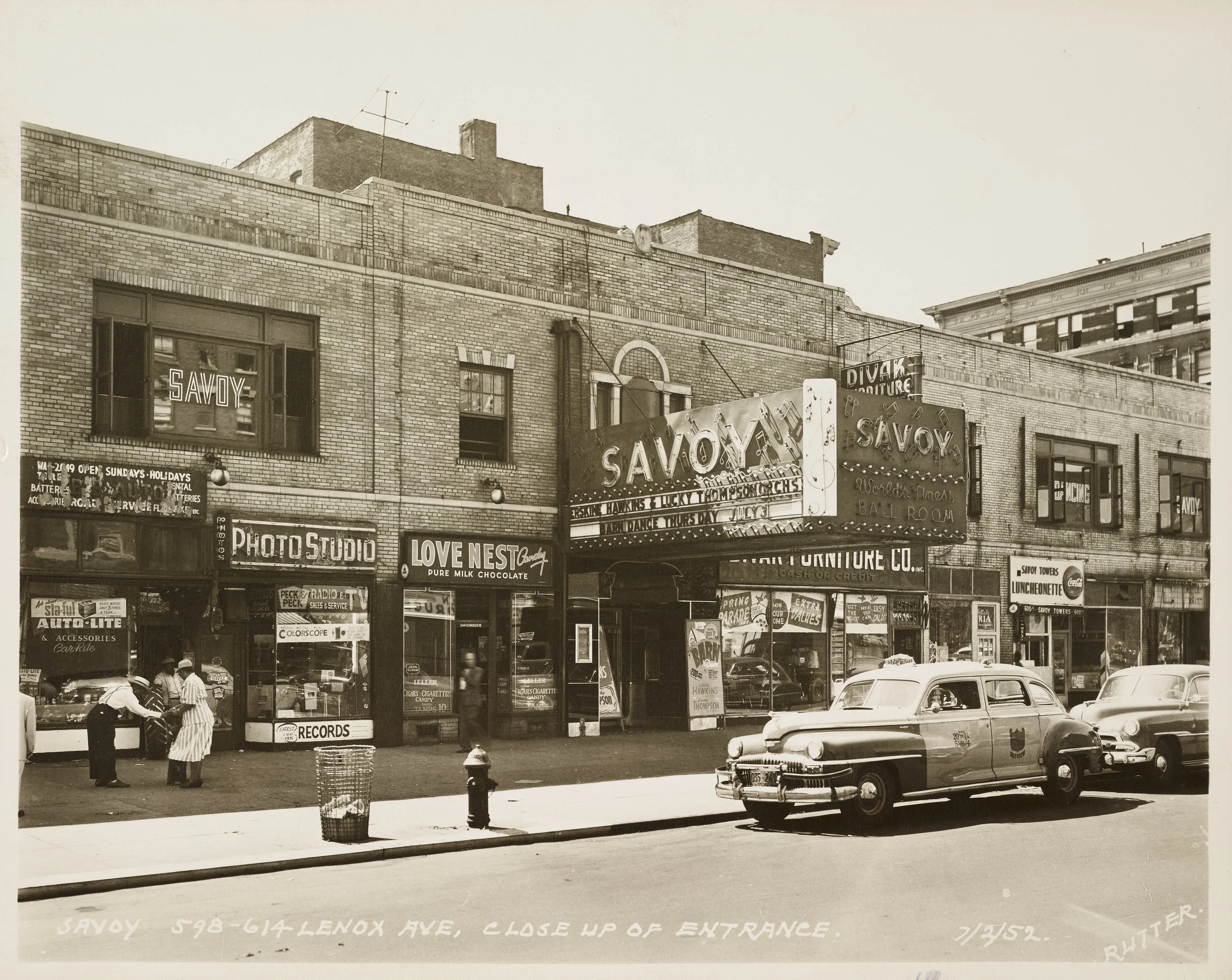
And while I’m going on, I always think about the fact that elders like Norma Miller deliberately didn’t tell white people everything they knew about lindy hop. They might have told young Black people, but they didn’t give that knowledge to white people. Similarly, people like Al and Leon could tell white people like Marshall Stearns a whole heap of big fat lies about Black spaces and dance. And have that published in a book white people treat like a bible. While white youth might have been able to sneak into a Black space to steal the big apple (a Black dance), and white people might have access to a desegregated Savoy ballroom, Black elders like Norma could still make sure white people didn’t get everything.

I just LOVE these facts: white people got stooged.

These tactics of resistance to white supremacy are a) fucking awesome, and b) another example of how Black dance is an extension of Black culture. If you don’t talk about and understand slavery, segregation, convict leasing, and all that white supremacist history of the USA, you can’t understand why subversion, resistance, derision, and elders as custodians of knowledge are essential parts of Black dance.

– Show, don’t tell.
This is the bit that I’m excited about. If we just namecheck Black dancers then carry on with a very white, middle class ‘class room’ type experience, we’re not being anti-racist. We’re not addressing how specific teaching tools and practices reproduce racism.

So how do we do this, especially if (like me) we’re white, middle class people who don’t live in the US?

– Take classes with Black teachers.
And not just in lindy hop/swing dances. How do they teach? What is important? How do they speak to students and each other? What are their values? etc etc. This is also a way of ‘paying the rent’.

– Learn about Black pedagogy (there are sources for this).
Both historically and in the current moment. This is one of the reasons I’m so interested in the Black Panthers’ approach to education. They saw education as a key force in liberation. And they believed it should be free, center the Black experience, and conducted in Black spaces.
I’m also all about the Teaching Hard History podcast (produced by the beleaguered Southern Poverty Law Center), because it shows us exactly how to do this: how to teach Black history in dance. And it’s produced by Black teachers with a specifically antiracist, liberatory mission.

– Watch footage of Black dance teachers at work.
This one is a bit problematic, because it’s filtered through white cinematographers, editors, and collections. But it can be a start. As an example, I’m always struck by the way Frankie Manning used ‘external cues’ in his teaching: rather than saying ‘engage your core, fire that glute, commit your weight’ (ie exclusionary jargon), he’d say ‘bow to the queen. But don’t show her the top of your head’. That bow creates nice lines, it frames the swivels, looking up helps your balance, which then helps your timing, and so on.

– Take learning out of a formal ‘class room’ and into social spaces.
The social dance floor where friends jam. Lounge rooms where peers practice and do self-guided learning. We can respect elders and knowledgeable people, but we can also decenter ‘teachers’ in learning.

– Ask students to work hard.
We can be kind, but we can also provide spaces for students to work hard, struggle, and maybe not always succeed. It’s really important for white people (and privileged people) to be in places where their privilege doesn’t automatically grant them success. This space can be supportive, and we can help them persevere, but a class needn’t automatically guarantee success. This last one is very much attached to how we market and commodify dance classes.

Frankie Manning and politics

I’m checking some details in Frankie Manning’s biography, and there’s a section where he writes:

I always agreed with Martin Luther King’s point of view. In 1963, a whole group of us from the Postal Workers Union went down by bus to the rally in Washington, D.C. to support him. When I heard him give his famous ‘I have a dream’ speech, I was very moved.” (pg 218)

I’ve heard white lindy hoppers argue that Frankie wasn’t political*. That’s patently bullshit. He was a union member. He went to Washington to support King. It’s also really important to remember that the US Postal Service was (and is) an important site for Black organising and grassroots politics. Margot Lee Shetterly talks about this in her book Hidden Figures, noting the path from postal service to aeronautics for Black workers and thinkers.

And of course he choreographed and performed in A BIOGRAPHCICAL FILM ABOUT MALCOLM X. A film that directly visually referenced multiple films that starred Manning and his peers.**

I also want to point out that Frankie didn’t ‘stop dancing’ in the 1950s. He mostly retired from professional dancing, but of course he kept on dancing! Parties, dances, band gigs… all the usual places where vernacular dance lives.

References

*What do I mean by ‘political’?
On one level, it’s referring to the mechanics and institutions of a political systems – parties, voting, electoral systems, unions, politicians.
But that’s the very simplest level.
If we define ‘politics’ as being the relationships of power between people, things get a lot more interesting. This is the sort of definition used by feminist and anti-racist activists and scholars.
So ‘politics’ can expand to include the social relationships between adults and children, the collectivist philosophies of unions, the uses of power between men and women, and so on.
Every time Frankie said ‘Think of your partner as a queen’, he was making a political statement: treat your partner like royalty. Show your respect by bowing. Obviously he didn’t think they were actually a member of a royal family; this was about defining relationships between men and women as one of mutual respect, where men invite women to be powerful and love it.

** If you compare the soundie/short film Keep Punchin’ with the scenes in the ballroom in Malcolm X you’ll see characters and narrative elements from the soundie in Spike Lee’s film. This is one of the clever things about Lee’s films: he uses archival material as inspiration, but often also shows them on-screen during the films. I am a huge fan of his films.

UQ Press, nostalgia, and writing

This is an important read. I care about UQP because I did my undergrad, honours, and masters research degree at UQ, and UQP was a big part of our day to day. Our teachers and colleagues were published there, we worked there, and we hoped to be published there.

When I was a student at UQ, the English department was politically active. That meant that staff and students were involved in strikes and rallies (on campus and off), we had an active postgraduate group (of which I was on the exec for a couple of years), and staff came to hear postgraduates present papers on their research. And they engaged with them. All these people were published authors, experienced speakers, or aspiring authors and speakers. To participate in public ‘intellectualism’ was an expected part of academic life for all of us. And it was fun.

And when I say politically active, I mean that my colleagues were involved in social justice issues. Sure, there were political party memberships, but group membership was more effectively grounded in unions and grass root community action groups. As postgrads we worked for and published in feminist journals like Hecate, we created our own feminist reading and writing groups, and I dealt with my first report of sexual harassment. Because I was surrounded by active feminist academics, I knew where I should start. That time truly shaped me, as a feminist and activist, but also as a thinker and writer in community.

Because we were in the university in the early 1990s, the years immediately after Bjelke-Peterson’s reign of corruption and suppression (1968-1987), we were all personally acquainted with the reality of oppressive and corrupt governments. We’d either been beaten up by the cops, or knew someone who had been. We knew which GPs would help you get a safe abortion. And we knew where to get a drink after 6pm on a weekday.

We took rallies and protests seriously. Writing about power and community was central to the work of many of us. Even if we’d wanted to stay quietly busy in middle class academia, Joh’s government had reached all of us in one way or another. We’d have laughed about the phrase ‘social cohesion’, because one of the things we did best was argue and disagree. But I also remember two of the fiercest combatants crying and embracing each other when we had news of a student’s death.

The Queensland government’s recent outlawing of the phrase ‘from the river to the sea’ smells like the dark old days of the deep north. Not because it’s ostensibly about banning hate speech, but because it is clearly and actually about banning criticism of the government, and of genocide. It seems ridiculous to write that a government would outlaw criticism of genocide. But that is the white Queensland way, with its long and bitter history of Blak massacre and cultural oppression.

Jazz Money is an Aboriginal Australian, and halting publication of her book because of her position on colonial genocide is really just another version of familiar Queensland policy. The decline of UQP as a site (or the idea of a site) for political expression and exploration makes me sad. While it was the organ of a white, patriarchal institution, it still published people who were not white, not straight, and not at all interested in supporting patriarchy. I guess those days are over.

A proposition isn’t necessarily sexual harassment

Ok, so my feeling is that if someone propositions you (ie asks you if you’d like to have sex) at a dance event, it’s not sexual harassment in and of itself.

What makes it sexual harassment?

– They have more power than you do (whether they’re your teacher or boss, your host whose house you’re staying in, someone with more physical power, etc etc).
– They threaten you with consequences, or imply shit will go bad for you if you don’t take them up on the offer (eg they’re your dance partner and say they’ll pull out of the comp if you say no; they’re your boss and say they won’t give you any shifts if you say no; they’re a peer and say they’ll tell people bad stuff about you if you say no). ie they try to coerce you into saying yes.
– They ask in an inappropriate setting (eg you’re colleagues both working, and they ask you while you’re both working and you can’t move away or comfortably say no).
– They ask you repeatedly and try to convince you.
– When you don’t respond, or you say no, or you leave the room, they follow you, ask you repeatedly, or continue as though you’d said yes.
– The event has a safe space policy that says ‘It’s not ok to ask someone if they want to have sex with you at this event’. This one is trickier, but if an event has a ‘no sex’ policy (and that is a legit option) and they proposition you anyway, that implies they don’t care about boundaries and rules.
– You weren’t physically able to say yes or no or move away (eg if you’re drunk or stoned, asleep, working (eg MCing or working a cash register), backed into a corner, etc.
– You’re at an event in a culture or society where the act of asking is impossible to refuse.
– You’ve just told them you feel scared and afraid.

If they asked you to have sex, then moved on (physically or in conversation) when you say no or don’t say yes, then it’s not necessarily sexual harassment.

It could be awkward, you could dislike it, you could feel confused or upset, but it’s not necessarily sexual harassment.

To be super clear: there’s nothing wrong with feeling afraid, upset, confused, embarrassed, angry, etc when someone propositions you. It’s ok to feel shitty if you were enjoying a nice asexual/nonsexual moment and they harshed your vibe. It’s ok to be annoyed if you’re straight and they’re gay (or vice versa) and they don’t suit your sexual preferences.

They’re all legit feelings. If you do feel this way, you should definitely find a safe space and get some help if you want it. You don’t have to report anything or have a safe space staff member sort it out for you.
But if someone likes you and finds you attractive and makes an offer, that’s not necessarily sexual harassment.

How do you respond if someone does proposition you, and you don’t want to, or feel afraid or panicky?
A first step is to say “No.” That’s enough. You don’t need to say anything else.
If you can’t get the word out, then it’s also ok to just freaking run away. Get out of there.
What if you freeze and can’t do or say anything?

A decent person is looking for _enthusiastic_ consent. If you don’t say anything, or if you say no, then a decent person is not going to pursue you. Best case scenario, they’re going to apologise and remove themselves.
If you do haul arse and run away, or you’re stuck there frozen and silent, a decent person will check in with the event staff to let them know that you seem upset, and they’ll make sure the staff know how to find them. Or they’ll tell your mates to check in. They should know better than to follow you and try to explain themselves.
And I think that this is where it becomes obvious that we are all responsible for each other’s safety. If you’re in a group or a social space, and you do freeze and panic, hopefully someone else will notice and check in with you.

And if _you_ see someone proposition someone and get a panicky/scared response, it’s important that you do something. You don’t have to confront anyone. You could just suddenly ask the scared person if they’re taking class tomorrow. Or you could ask the propositioner if _they’re_ taking class. Do it loudly and akwardly and you’ll defuse the situation and other people’s attention will be drawn, so they might be able to do something more.

But we all have a responsibility to keep an eye out for each other.

AI, slavery, and being annoying

The thing about the environmental impact of AI data centers (they have huge electricity and water requirements), is that there were already big issues with data centers before AI became a popular media topic. ‘AI’ (as a topic) just pushed it to the public consciousness.
‘AI’ is really just bigger, smarter computers. And we’ve been heading towards bigger, smarter computers for decades.

It’s easy to hate on AI for killing jobs for creatives, or for making the world a little more boring. But the thing that I’m most concerned about is the way the writing that AI does (for university essays or newspapers or whatevs) is not insightful or brilliant.

‘AI’ is really just a computer reading a heap of things, observing patterns, and then making some informed guesses about the right answers. It doesn’t make intuitive leaps, it’s not creative, and it’s not thinking critically. So you don’t get new ideas. It could be useful for doing things like generating a literature review, but it’s not going to take the ideas from that literature review and apply it to real world situations or real people.

I read an article recently where they were discussing a study on the types of writing AI generated essays produce (sorry I can’t remember the reference). They found that the sort of writing produced by AI tended to preserve the status quo. It didn’t do anything radical, it didn’t have new ideas, it didn’t critically engage with the ideas in the material it assessed.

In other words (speaking as a feminist cultural studies scholar), the students using AI to write their essays are not going to go on and fucking fight the man. Their thinking and writing will not be radical.

Not a huge surprise for feminists who’ve been critical of university-based gender studies. Masters tools, masters house and all that.
The other issue that a lot of us who have been doing creative work for a job (copywriters!) is that the work we do will be done by computers. Again, not a new idea. But if we pull back a bit and look at the bigger cultural landscape, we can see that this change in labour practices is happening all over the place. Companies like Amazon have done a very good job of union busting, destroying collectivism, and reducing workers to slaves. I wish it was an exaggeration.

Modern day slavery is something women and people of colour experience in various contexts – sex work, garment manufacturing, and most tellingly, prison work.

That last one has been bothering me this week. ICE rampaging through fields and factories and kidnapping workers to incarcerate them is one very effective way of developing an enslaved workforce. Prison detainees work for no pay, or for a stunningly low rate. Prisons are increasingly privately run.

All of this has been bothering me since I listened to the first two episodes of the Teaching Hard History podcast. These eps look at the role of slavery in the civil war. I was surprised to hear that many white Americans assume that the civil war was about states’ rights. I’d just figured it was about the north and south arguing about ending slavery. These two eps make it super clear that it’s about the role of slavery in the pre civil war economy. Enslaved people = free labour. Under the Fugitive Slave Act of 1850, people were paid if they ‘captured’ ‘escaped’ slaves. This Law was passed by the US congress, and was one of those issues contributing to the ‘states’ rights’ arguments.

It gets a bit complicated (the podcast is easy to understand though), but it helps understand how ICE and the Trump’s determination to kidnap Black and brown people contributes to an economy which has _always_ involved slavery (from ridiculously low basic wages to indenture and the powers of businesses like Amazon).

Reassuringly (and this is why we teach history), the introduction of the Fugitive Slave Act was met by very angry crowds of citizens. And as the podcast points out, the civil war and the ending of slavery wasn’t something that was done ‘for’ or ‘to’ Black Americans. It was something they actively participated in. In other words: white Americans, you need to pay attention to Black history if you want to fight this shit.

And Australia? Our own history of slavery (from Pacific Islanders in cane fields to Aboriginal and Torres Strait Islanders workers in white homes and on white farms) makes it clear that we white people are ok with slavery.

Incidentally (and to bring me back to my original point), the types of connections I’m making here (looking at social and economic and cultural patterns) to critique the uses of power and technology are things a computer can’t do. So of course it makes sense for a company like Amazon to embrace AI technology.

It’s important to pay attention to the details, and to keep track of those niggling little feelings you have that something isn’t quite adding up. Ask questions. Be annoying.

Your ‘code of conduct’ is bullshit

This one word on a dance event’s code of conduct tells me they have not understood the assignment.

Why?
Misandry: hatred of men.
Because this word is included in this list, I strongly recommend _not_ attending this event.
Why?

–Misandry /= Misogyny–
When ‘misandry’ is included in a list of words including discrimination and harassment, it suggests (by proximity) that misandry, misogyny, and transphobia are the same thing.
This is not true.

Within the context of patriarchy* (ie where we live now – a society where straight white cismen hold the economic, political, and social power), misandry, misogyny, and transphobia are not the same thing.
The important difference is context (ie patriarchy) and systemic structures.
When I see a page like this which purports to be about preventing harassment, listing misandry (hating men) as significant an issue as misogyny or racism or transphobia, I’m immediately super suspicious.
We can assume that that the author sees sexual violence against cismen as statistically significant as sexual violence against women (and transfolk).
This is not true**. Cismen are far more likely to commit sexual violence than to be the victim of sexual violence. Cismen who are the victim of sexual violence are usually attacked by other cismen.

–Dog Whistles–
Inserting the word like this distracts from the discussion of sexual violence committed _by_ cismen. It’s a very common strategy by MRAs, and works as a sort of dog whistle. This dog whistle is using a particular word to signal to a particular audience*** that they don’t believe sexual violence is gendered.

Who is this audience? It might be other MRAs. But specifically, drawing on the patterns I’ve seen in the Australian lindy hop world, it’s cismen who have been reported for sexual harassment or sexual assault, and their defenders. So when one of those cismen who’ve been banned or reported sees this word in a description of inappropriate behaviour, they think “Cool. I’m the victim of misandry. I’ll go to this event, where I’ll be able to carry on doing whatever I want without being discriminated against.”
Do you see how using this word makes your event dangerous?
Cismen who who have been reported for sexual violence (and harassment) are a demonstrable risk to women, trans and intersex folk. Even if they tell you they’ve ‘changed’ or ‘done their time’.
This particular whistle brings all the fucking dangerous dogs to your yard. No thank you.

–Ignorance is Dangerous–
It could mean that the author doesn’t understand what misandry is. They may have read a dictionary definition and decided ‘Oh, misandry is hating men. That’s awful. We don’t hate all men!’ On the face of it, that seems reasonable. But remember the context*.
If the author does not understand what misandry means, their safe space policy is not informed by good research or a clear understanding of what’s involved.
ie it’s not going to be a safe event.
At this point we usually see the white lady tears starting to flow. “But I just wanted to include everyone!” she wails. “But she’s such a nice person – she just means well!” her apologist friends declaim.
Whatevs, mate. You still got it wrong, and you still need to accept it, take ownership of of your bullshit, and get your fucking self right.

*Patriarchy vs Misandry
Patriarchy functions through a range of systems and institutions that disempower and harm women (and trans and intersex folk) and empower cismen. The ‘hatred of women’ (misogyny) is carried out by laws which protect sexual offenders, medical discourse that does not use accurate research into women’s health, dance schools that see leading as masculine and following as feminine, and so on. All this in addition to the face to face hatred women and girls encounter on the street (eg violence, catcalling, etc).
Misandry may happen in a one-on-one setting, or within specific groups, but it does not have the structural support and power that misogyny does. I might declare ‘I hate all men!” but because I do not make laws or run a huge corporation, the effects of this declaration are limited to fewer people.

**Sexual Violence is Gendered
We have tons of clear, unequivocal evidence that sexual violence in our culture is gendered. Cismen commit almost all incidences of sexual violence in our community. Women, girls and boys are as likely to be the victims of sexual violence. Adult men are also the victims of sexual violence, but they do not report in the same numbers (so we don’t have solid data), and when they do, their assailant is almost always a cisman.
(reference)

This is why we see the phrase “Not all men; but it’s always a man.” I have yet to come across a legitimate report of a woman sexually harassing a man in Australian lindy hop. This doesn’t mean that it doesn’t happen, but it does mean that it’s incredibly rare. The lindy hop scene is a small version of the wider community in which it exists. Mainstream Australia is white patriarchy, and so is the lindy hop scene.

Digital marketing!

Emails!
(and digital marketing)

I’m in the planning stages of a running a tiny event (it’s on this weekend, and we’re almost finished with registrations), and I’ve done a much more careful marketing campaign this time (compared to the events I ran pre-covid).

My day job is working in social media management and digital marketing (which I wasn’t doing in this capacity before covid) and I’ve learnt a lot about marketing that I’m applying to dance stuff.

Things I’ve learnt:
– you HAVE to have a good website
– you need a solid email list (and a proper email marketing tool to manage it)
– social media is where you go to make friends and develop your brand, _not_ where you sell stuff
– you need a thoughtful marketing calendar and strategy (don’t just post randomly, and do not panic post)
– use some sort of url tracker so you can see what links sent people to your ecommerce site or website (so you can see what’s working)
– f2f marketing is king.

Today I was just looking at some stats for my emails and it was very satisfying.
My favourite part is the click map for each email. I use mailchimp, and the click map shows me which links in what email get what percentage of clicks. Something I know from my day job (and see played out in the dance world) is that people click on photos and buttons. ie stuff that looks like something you click. Actual url links in the body of text get fewer clicks.
We want clicks, because that helps your google search ranking (ie SEO), but it also shows you how many people were interested enough to click through to your page (ie which segments of your audience are being reached with which elements).

Another thing I really like is seeing which contacts (ie email recipients) click on which links, unsubscribe (and why), etc. A good email tool will let you see exactly who is interacting with your emails, and how. Yes, you can creep on your customers.

I use segments (and you should too), so that I’m not just spamming all my contacts with random emails. The most obvious segments are ‘events’ and ‘regular classes’. I also divide those segments again, using tags. I tag with info like where people signed up for emails (eg as a registrant for a particular event, or at classes), their postcode (so I don’t spam internationals with info about hyper local events), etc.

Structurally, a good marketing email has:
– a simple subject line like ‘Free tickets’ to get people to open the email;
– a small amount of text (eg one paragraph) to keep them reading;
– a call to action button (‘Free tickets here’) to get them clicking;
– and a photo or graphic. Animated ones are more engaging than static. Again, to get them clicking.

An email newsletter is a different thing, but you want the same elements. And you want to use your email to direct your audience to your website. Don’t send them to your socials (unless it’s an email about your socials). Tiktok in the US has taught us the problems with sending your traffic to a platform someone else controls.

And finally, I try to sync up all my digital marketing.

So in my socials I try not to do any sales (though that has collapsed with this event, as I started working on it far too late).

I post things that are all about brand building. eg I donated a bunch of CDs as a raffle prize for a local social night run by someone else. I made a reel where I talked to camera about it. No mention of my event. But when I got to the event (and did the raffle) I did mention the event, and had paper flyers at the door. So you can see how with that particular thing, I had to have:
– paper flyers (with QR codes) made up in advance,
– I had to have a plan for a raffle, incl tickets, etc (which I then ran at the event),
– I had to have contacts in the scene (that I could go to with a plan),
– I had to have a sense of my brand’s values (my brand is basically me) and what works
– actual CDs
…and so on. I had to have a strategy for this little campaign. You can’t just wing it.
Before I started this little campaign, I had a list of S.M.A.R.T. goals for it (eg increase brand reputation; the reel had the goal of increasing engagement (likes) by 10% within a 24 hour period, and then by a further 10% within the next seven day period; etc etc).

All of this (hopefully) develop’s my brand’s reputation. So that when I do drop a social post about a product, people think ‘Oh, i know that brand. They’re good community folk. I wonder what sort of event they run?’

It can be quite mercenary and sales-focussed. But I try to make my brand values align with my own values. ie queer-friendly, feminist, anti-racist, community-centered, contributing to a good community culture, etc etc. I don’t actually plan to run any more events (though I bet I end up doing it), but if I keep my socials working with regular posts, I will have the foundations for a sales centered campaign.

And of course, the email is the last point in the sales journey (or the bottom of the sales funnel). After you do all this, you send an email to the people who’re on your list (ie who’ve said ‘yes, i want you to reach out to me directly’) with your product.
If you’re not an organisation selling something, that final call to action in your email can be ‘donate to this fund’ or ‘volunteer for this action’ instead of ‘book now’.