
A few Sydney dancers have recently been running some late night speakeasy events after churchpit on Fridays, and they’ve been very successful. The venue is small and has pleasing acoustics – the square ‘end’ of a long, L-shaped room contains the sound (especially when the speaker is positioned on the long wall, playing into the short leg of the L) and leaves the rest of the room at the right noise level for talking and drinking. The long, narrow L shape leaves people squashed pretty close together, and this makes the room feel crowded (because it is) and fun. The drinks are well priced and good – beers, wines, etc for drinkers, top quality soft drinks (san pelegrino, those organic softies, etc) for non-drinkers. I don’t know if there’re coffees, but there could be. Last night there were cakes as well.
Last night I had a chance to DJ the gig and it was super fun. The organisers are really good to work with – friendly, easy going, relaxed, lots of useful feedback on the music, etc etc. It was like DJing a late night at an exchange, except better because the crowd were relaxed and friendly (rather than hyped and kind of cliquey/show-offy), the organisers were mellow and professional and the sound system was nice.
The music is usually blues or ‘slow lindy’, with the organisers themselves favouring a soul/funk aesthetic. Because the emphasis is on socialising rather than hardcore dancing, and because the gig follows the churchpit lindy night, there’s less pressure to play ‘proper’ music, and more interest in ‘good’ music. So it’s a fun gig.
This is what I played (title, artist, album, bpm, year, time):
Come Together Ike And Tina Turner Absolutely The Best 80 1998 3:40
Hound Dog Big Mama Thornton Very Best Of 76 2:52
Leave Your Hat On Etta James The Best Of Etta James 85 1973 3:19
Chain Of Fools Aretha Franklin Greatest Hits – Disc 1 116 2:48
I Got What It Takes Koko Taylor I Got What It Takes 72 1975 3:43
3 O’clock In The Morning Blues Ike and Tina Turner Putumayo Presents: Mississippi Blues 64 1969 2:40
My Man’s An Undertaker Catherine Russell Cat 106 2006 2:48
My Handy Man Ain’t Handy No More Alberta Hunter (acc by Doc Cheatham, Vic Dickenson, Fran Wess, Norris Turney, Billy Butler, Gerald Cook, Aaron Bell, Jackie Williams) Amtrak Blues 76 1978 3:49
Sugar Blues Preservation Hall The Hurricane Sessions 61 2007 5:02
Shave ’em Dry Asylum Street Spankers Nasty Novelties 131 1997 4:21
Louisiana Two Step Clifton Chenier Louisiana Blues & Zydeco [Bonus Track] 197 1965 3:49
Built for Comfort Taj Mahal In Progress & In Motion (1965-1998) 98 1998 4:46
It Takes Two to Tango Lester Young and Oscar Peterson Lester Young With the Oscar Peterson Trio 104 6:09
My Sweet Hunk O’Trash Billie Holiday with Sy Oliver and his Orchestra and Louis Armstrong The Complete Original American Decca Recordings (disc 2) 95 1949 3:20
The Clifton Chenier track was really my just taking advantage of an open minded crowd, and didn’t work. But it did make people jiggly in their seats, which is good. I <3 zydeco atm, though I know nothing about it.
I tried to play upenergy, fun party music. The first Koko Taylor song is where I got a bit chilled. This wasn't really a crowd interested in slow, sexy dancing. They were more interested in slower, funkier dancing, and that was fine with me. The first block were more what I think of as 'Chicago' blues, though that's not really a very accurate description. From there I got a bit more old school in style, though I played 'new' songs for the most part - no scratchies. I was aiming for dirty, fun lyrics, lots of energy, beerdancing party music. 'Sugar Blues', which is rocking it with blues dancers at exchanges at the moment was a bit too 'serious' for this crowd.
Though Chenier cleared the floor, it was full again by the middle of the next song. I was moving towards a more lindy style for the next DJ, Gunther, who's more comfortable with lindy than blues. Those last couple of songs went down nicely, and they're a couple of my favourites. 'Two to Tango' is one of those long-term favourites, and I really like the Billie/Louis duet 'Sweet hunk of trash'. Holiday's masterful delayed approach to timing is really understood by Armstrong, who hangs back there with her. That feeling of squeezing the very last second out of each beat makes the song feel just a little bit saucier, but also lets the singers make some clever jokes. Comedy is made by timing, and swinging jazz rhythms make for perfect delivery: that long pause that lets the audience begin to figure out the punch line, and then pop! the line.
It was a fun gig, and I really enjoyed doing it. I like going to that event as a punter, as well, even though the late nights are challenging at the end of a busy week.
Category Archives: lindy hop and other dances
fitness: social dancing
time: 01:30, feeling: great, effort: 4/5
Not a lot of dancing because I was DJing. But I danced with enthusiasm.
dancing
Edit: Today, the 24th, I feel really stiff and sore, but in a good way. Yoga + dancing + some cycling = yowzers. I might actually be an adrenaline junky. I did say I’d unload my foot, and I have. Yoga did stretch it a bit, and that might be a problem – we’ll see.
fitness: time to unload
 Well, I recovered from the sore knee, but I’m still getting nasty pain in my right shin and in my right foot in the old injury. The shin feels like shin splints, which I had trouble with when I was into charleston hardcore. At this point, I need to rest and unload, and then start again. I’m thinking I might stay off running for a while, as it’s the impact which hurts. Instead, I’ll try to do some proper, regular walking so I can stay a bit fit, at least. I’m tempted to cycle in the mornings, but the roads are crazy busy when I usually run (about 7.30) and cycling in peak hour traffic is not fun. There are the bike paths along the canal and water front, though, so I should think about that. At this point, though, I’m very disappointed, but I’m also quite worried about my old foot injury. Recovering from that took a very long time. But I know that I have to be patient and just let it heal.
At any rate, this week I ran on Monday, and I won’t run again for a while. I am DJing on Friday, so there’s the possibility of dancing, but I’ll try _not_ to dance. Yeah, right. And I’d like to do a long walk on the weekend, which might be a bit much. We’ll see.
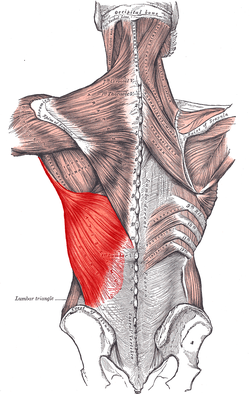
I do love running, though, and I think that the high impact + speed of running requires good core strength and stability, and that’s the one thing I really like. It’s super useful for dancing, and makes dancing so much more fun. I was also beginning to see the benefits of running on my latissimus dorsi, which is one of those muscles partner dancers obsess about, because it’s very useful for helping you connect your arm to your hips/centre. I like figuring out how these things work when your body is in motion. I like the way movement forces you to multitask: not fall over and figure out how your body works.
The challenge for me is always to stay relaxed in the muscles that aren’t working (alert but not alarmed), while also being able to activate and use the busy muscles just enough to do the job. I am continually fighting to release tension in my upper body (especially my right shoulder – a side effect of bung foot and a lifetime of hardcore writing). The best way of doing this (usually) is to stabilise my core. If hips are stable, then my upper body doesn’t need to overcompensate to stop me falling over. Running has helped me isolate these two parts (which are of course actually far more complicated interconnected groups of muscles and bones and so on) and begin to get stronger in the core. I have less curve in my lower back, which is partly because my pelvis is less tilty, which is because various muscles and things in the front of my torso are more active, ‘pulling’ it into place. This in turn frees up muscles (like my lower back) and lets them relax.
The nicest effect has been having the chance to loosen up my shoulders, which then lets me feel how my lats are working. It’s very nice and very interesting. My one concern is that stopping running will stall my progress. But the good thing about having a body, is that you have it for your whole life, so you never need stop learning about these things. And learning how to use them.
Once again, I’m surprised by how much of my life involves fitness and exercise. We have no car, so walking to the train and bus is important, and I do all my errands by bike. We like going on bike rides with our friends, we like walks, and we like dancing. We’re also up for anything fun that involves exercise – games, frisbee, etc – fun stuff that gets your heart rate up. I guess that once you get a minimum level of fitness, your body becomes the perfect medium for fun. :D
(photo is from the wikipedia page linked above)
fitness: social dancing
time: 02:30, feeling: good, effort: 4/5
Fast tempos, lots of solo and lindy hop, lots of sweating and super fun. I LOVE having better fitness and control from running.
But it left me quite sore the next day – the B210K runs are really taking their toll on my joints. I think I’ll ease it off next week.
hot
amazing
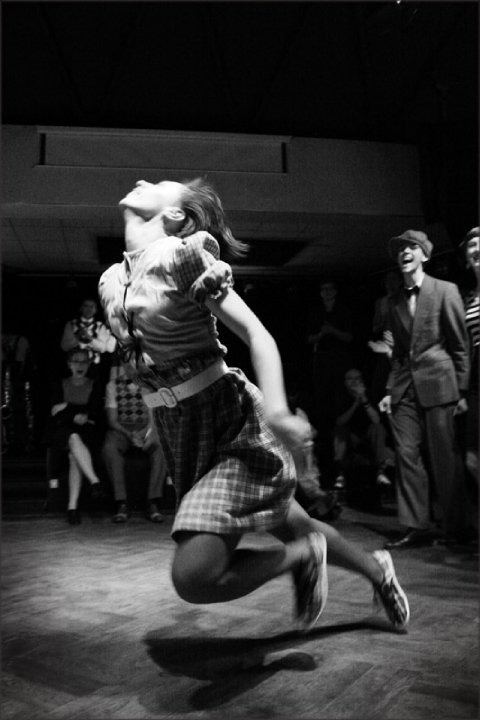
Nadia Gric’s photos from the Harlem dance fest in … Lithuania? … are AMAZING. I found them via faceplant, but you can see them on picasaweb. Do make sure you look through the stuff from other days of the festival. No one gives fabulous venues like those European countries.
I also really really really like this pic.
fitness: social dancing
duration: 03:00
Dancing = fun
fitness: social dancing
duration: 02:00
Humid! Hot! Fun! Lindy hop is way harder work than running, but way more fun.
hot, humid
beginning djing: preparing for the first set

This is the third post I’ve written about beginning DJing. The first one was beginning DJing: how i got into djing. The second was clarifying some early points from that post, ‘ beginning DJing: different DJing contexts’.
This post will talk about how I prepared for my first set.
This is certainly not how everyone else did/does. In fact, I suspect it’s an incredibly anal, overly careful approach to DJing. But then, that’s what I’m like – careful. Ob-con.
I certainly would never say “This is how you should prepare for a first set” to someone. But I do get a bit dictatorial in this post. Please just read it as enthusiasm. I’m fairly sure these are – as I’ve said – really just things that apply to my experience. But you can cherry pick ideas, if you like, and I’ll try to note where I found something especially useful, or something particularly ridiculous.
I want this to be a bit useful. I hope it is. But I also want it to be encouraging. So if you’re timid, perhaps you should just read the short list. :D
How did I prepare for my first set?
- Dance
- Dance as much as you can once you’ve started DJing
- Listen to music. Buy music.
- Love music
- Play with the technology
- Test your music before you play it
- Buy the electronic stuffz
- Practice transitions between songs, tempos and musical styles
- Watch other people DJ
- Ask lots of questions
- Make some contacts
How did I prepare for my first set?
- Dance.
I danced for about 8 years before I started DJing. It took me that long to get up the guts. I was kind of thinking I could be into it for about a year or so before I took the plunge. But before that, I was just dancing. And dancing. And dancing. I got into dancing because I loved the music. I stayed with it because I loved the dancing. I also sampled a whole range of styles (of lindy hop, and of other jazz dances – from charleston to bal, blackbottom, shag, blues and into all manner of solo things) and began to understand how different music worked in different ways with different dances. And vice versa. I think this is what drove me to DJing, eventually.
I did a lot of classes. I still do. I did a lot of workshops with visiting people. I traveled to dance.
Dancing is where DJing should begin, middle and end. If I’ve stopped dancing, I should stop DJing. My DJing goes down hill when I stop dancing. Dance. Dance. Dance.
I’m almost tempted to say I think you should “dance for a few years before you start DJing,” but I’m not sure that’s good advice. Sometimes DJing can kickstart a new dancing obsession or fuel your dancing love. For me, it has to be dancing first.
Dancing teaches you how music works. Dancing teaches you what music works for dancing. The more you dance, the more you’ll learn. The longer you’ve been dancing, the better idea you’ll have about what will work for dancers and dancing. The longer you’ve been around, the more likely you’ll be to have seen passing trends – you’ll remember a neo or a groove or a novelty or a lindy hop hop phase. You’ll have seen someone try that Richard Cheese song and see it crash-and-burn, but also make people laugh/cringe/gasp.
Not all experienced or very good dancers are good DJs (many very good dancers are totally horrid DJs). But observant dancers can make for very good DJs. Some experienced dancers are very set in their ways and have very particular ideas about what makes for ‘good dancing music.’ Sometimes this is a good thing, and sometimes it can be an obstacle, preventing their learning and responding to what other people (ie not them) are doing on the floor. A non-dancer is never a top-notch DJ for dancers. - Dance as much as you can once you’ve started DJing
I just have to add this here: dancing is the best thing you can do for your DJing. Maybe not when you’re actually DJing, but the rest of the time, yeah. - Listen to music. Buy music.
The more you listen to music, the more you’ll understand the structure of swinging jazz, and the better you’ll understand what works for dancers. You’ll also figure out things like when the last chorus starts (and how it sounds), which is very useful when you’re DJing and haven’t found a follow-up song yet.
I started buying music fairly hardcore quite a while before I started DJing. Mostly because I was addicted. I did look at pirated sources at first. I think that that can be a good entryway for new DJs. Even if ‘pirated’ just means borrowing your friend’s CD and putting it in your computer. But I found within a few months that this just wasn’t going to do it for me. I was very lucky: the Australian dollar was kicking it against the American dollar at just that moment. So I switched to buying music online. CDs. I used SwingDJs as a key source, and then bought almost exclusively through amazon until I discovered caiman.com And then I found sources like cdbaby.com, then mosaic.
I think that buying your own music is the best option. For me, it meant that I could follow my own tastes, which weren’t like those of the people around me. I’d squeeze people like Brian for song titles and artists, I’d ravage swingdjs.com for suggestions, but basically, I was following my nose. I think this is a very good thing. It means you only get music you like (hopefully!). It also means you acquire music slowly (because it’s expensive!), so you get to know your music very well as you go. This way you’re also following some sort of natural progression between artists and eras – Ella Fitzgerald can lead you to Count Basie. Basie can lead you to Bennie Moten. And then of course there are all the usual copyright issues. But there are actually more, and very much more convincing arguments for acquiring your music legitimately.
Listen to what you get. I listened to that stuff all the time. On headphones, but also on the home stereo. That last bit is important – it might sound good at home on your perfect expensive headphones, but will sound shithouse on that shitty nightclub sound system. Now, I find I just can’t keep up with all my music. I have so much I have to listen all the time to keep it all in mind. Let alone getting to know the new stuff. Listen. Listen. Listen.
I can chart the decline of my hearing to the moment I started thinking I might like DJing. - Love music.
I started DJing because I loved the music. Don’t get into DJing because you think it’s cool or because you want to be really popular. It’s a fairly unappreciated craft, and will drive you nuts. Do it because you love the music.
Don’t punish yourself with music you hate. There’s no room for martyrs here. But if you don’t love swing from the swing era, swinging big bands, swinging small bands, hot jazz, groovy jazz, jazz, and more jazz, then swing DJing is not for you. If you’re really into soul and funk, then DJ for soul and funk crowds. - Play with the technology.
I think this is a very important and often under emphasised part of beginning DJing. When I first got up there to DJ, I was so nervous I could barely remember my name, let alone how to work a sound application on my laptop. If you practice this stuff at home, you get better at it. The movements become natural, and you can stop thinking about the technology and concentrate on what the technology allows you to do. I think that this is partly why I’ve stuck with itunes: it’s a well designed application that becomes invisible when I’m DJing.
I practiced ‘DJing’ at home for ages. I plugged my laptop into the stereo and learnt about the cords and connections I’d need. And bought them. I set things up just like I would if I was DJing, and this made me realise that I’d need to think about things like extension cords, where I’d sit (if I’d sit), how the laptop works in relation to the sound system, whether I’d use my laptop’s equalizer or the sound system, and so on.
I asked a lot of questions during this stage. I asked The Squeeze. I asked my DJing friends. I went into DJing shops and asked questions and was generally really annoying. Learnz: I had it on.
I also practiced clicking and dragging – the mechanics of DJing within my software. Was itunes useful? I did begin with a windows laptop and winamp, but our household switched to macs very soon after that. So I started playing with itunes. It has a lovely layout and a very useful library. It’s not the best tool for DJing, but it suited me. I soon learnt that I couldn’t preview music with a mac – I needed a second sound card to run a second music application out. This has been a challenge, and I eventually started using usb headphones and then a little cheap external sound card about a year after I started DJing. By then my collection was so big I really _needed_ to preview music.
Whatever your set up, practice with it before your first set. And practice a lot. - Test your music before you play it.
Dance to it in your lounge room or with your friends. It might sound great on your headphones, but be utterly shit for dancing. - Buy the stuffz.
I bought the cables I’d need to DJ. Brian drummed that into me. I bought everything I’d need to DJ. I bought RCA cables, I bought adaptors for different mixing desks, I bought extension cables, I bought it all. I was also obsessive about taking my power cord to DJing.
I’m always very surprised by new DJs who turn up to their first sets without any cords. Mostly because it’s such a simple issue, and if you’ve even pretended to DJ at home, you’ll have figured out that you need some stuffz. If you’ve ever looked at a DJ’s gear while they’ll DJ, you’ll have some questions about stuffz.
New DJs doing this tells me that they’ve really not planned this at all. That they’ve relied on other people to sort it for them. I’m actually very impatient with this stuff, mostly as I find it’s men who fail to bring the right gear. And I resent playing mother to them. I will only very very rarely lend my gear to other DJs – they will usually forget to return it, it could get broken, it could get lost, it could get borrowed again by a third party. I just don’t do it. I also carry spares of the important stuff.
If you’re not sure what you need, just ask another DJ. They’ll probably pull out their rig and tell you a long, boring story about soundcards. If you’re too shy, or you’re alone in your scene, get onto swingdjs STAT. - Practise transitions
I’m a super nerd. But I also had an agenda. My scene was heavy on the groove, neo and hifi. I wanted to play Lionel Hampton, early Duke Ellington, Lucky Millinder. I was also into newer bands and some groovier, hifi stuff, but I wanted to play both. I wanted to play favourites, but I also wanted to play stuff I loved. So I needed a plan. A way to get them all together in one set. I’d also been reading about this stuff on SwingDJs (I think), and talking about it with people. I’d also heard other DJs do nasty, nasty transitions from supergroove to scratch and back again. And it was nasty for me as a dancer. I wanted to rock.
So I practiced. I sat and put together pretend playlists, where I’d work from one style to another and back again. But I did it ‘live’ and in ‘real time’, so I could practice working under pressure. I had til the end of the song playing to get the next one ready to go. I also listened my way through the songs, pretending I was dancing, and trying to feel the way the song would make me feel on the dance floor. I also thought about combining tempos and working a ‘wave’. I’d think about the different instruments and different routes between songs and styles. A piano at the end of this song here could link me to the intro of that song there. A big, shouting Kansas man could link me to a big, shouting Kansas man there.
This stuff took a lot of practice, and it’s something I keep returning to. How do I best work in a new bit of hot Chicago small groups1920s instrumental action? How do I get it in the set so it’s best set up for a crowd who don’t know this stuff? How do I make them love it, despite themselves? And if they hate it, what do I play next to ‘apologise’ or win them back? This is important for me because I have a really bad memory for names and details. I really can’t retain a lot of detail. So I need to practice my skills and then lean on the previewing a bit. Hopefully leaving some brain for watching the floor.
I talked about these things with other DJs. And I practiced. And I made The Squeeze listen while I practiced.
This is something I still do. And I find I do a better job when I’m doing this regularly. It’s also a time when I can set aside a list of ‘maybes’ – songs I might play that night. I remember combinations of songs and perhaps pull them out, or use them as a model or a combination I make on the fly.
Above all, I was preparing for sets where I would stand up there with a blank playlist and just make it up as I went along. Scary arse shit. But I was determined to be a ninja. - Watch other people DJ.
This can mean actually staring over their shoulder (which I did a few times – that was invaluable), but it also means watching the way a DJ watches a floor, the way the floor responds to musical choices, and then the way the DJ figures out solutions to blowups, or capitalises on successes. I think this is where being a dancer helps – you learn how to read other dancers’ bodies and moods. You can tell when they feel excited or flat or tired or angry or disinterested. You can tell when a song stumps them, and they don’t know how to dance to it. You can tell when they really love something or when they really hate it.
Most of the time learning to see this stuff also means being able to stand aside and not actually get caught up in it. You might be on the dance floor having a ball, but that feeling might mask other people around you and how they feel. To a certain extent, DJing requires being able to stand outside a little to observe the room. You’ve still got to be able to feel it, but you can’t confuse your own feelings with what’s happening in the rest of the room. That can be tricky. It’s very tiring to be at once feeling all that excitement and also ‘working’, manipulating what you see and feel.
I think that learning this stuff takes ages. It took me a long time. And I still have trouble – I really struggle if I can’t see the dance floor properly. But just watching how a good DJ really works a floor is a good start. And exchanges – which bring experienced DJs to your town – can be a really good place for this. If you can bear to stop dancing. - Ask lots of questions.
Be brave enough to stalk other DJs. Stalk them online, in person, and … wait. Don’t stalk them. But do ask them lots of questions and be brave enough to show how interested you are. It’s ok to not be cool. It’s ok to be a big old fannish geeky music nerd. Say nice things to the DJ. Ask them: “Who was that band?” “What was that album?” “Where do you get your music?” “When did you start DJing?” “How did you get into DJing?” Ask them lots and lots of questions.
Try not to do it while they’re actually DJing, even though they’re a particularly, temptingly stable target, trapped at the mixing desk. But they mightn’t be able to give you their full attention, and mightn’t want to. I can’t really talk and DJ well, so I much prefer to be talked to after sets. Or before. In fact, if you want to chat to me, please do it after or before a set. I can’t talk properly and DJ properly at the same time.
But be brave. Most DJs want to nerd it up. Some are arsehats, but then some dancers are arsehats. That’s cool. But most want to talk. I’ve found that the DJs who do the best job with the floor, who have the best networks of contacts, are also quite empathic, observant, approachable people. Not exclusively so, but often.
Be prepared to get evasive answers about a DJ’s latest ‘gem.’ A winner song can be currency in a competitive DJ scene, so they mightn’t want to spill all the details. But that doesn’t mean you can’t figure it out yourself – learn about musical styles and you’ll be part way there. - Make some contacts.
This was important for me dealing with a dance school who ran all the major social dancing nights, but where I wasn’t a teacher or student. I really had to start finding out who ran what, how DJ sets were allocated and so on. I also had to actually ask DJs about stuff. This wasn’t too hard because most of them were my friends. But I had to actually _do_ some asking. And hassling.
Networking happens naturally when you start hassling DJs and asking questions. It’s also a very good reason to know when to back off and when not to hassle someone. Or to know who you should avoid (because you clash). Or it can be a good motivation for just getting over it and becoming a sociable person with some basic social skills to get you through professional situations.
I’m still surprised by the number of DJs I see do stupid things which will fuck up their networks for future gig opportunities. You might feel justified in snubbing that person, badmouthing their buddy at a party or knocking back their Squeeze on the dance floor, but someone will have noticed. And then you will find it difficult to get gigs.
Really, it seems insane to have to say this so clearly – surely people just know how to be in groups? How to get along with other people? But dancers can be particularly socially challenged, and this stuff just keeps happening.
Showing an interest in DJing – to other DJs and to event organisers – is a good thing. DJs with half a brain will figure out your questions about cables or songs are the beginning of an interest in DJing. And they’ll mention you to event organisers. Maybe. If they do have that half brain.
It’s also useful to get to know event organisers and other DJs to develop a support network (people who’ll give you encouragement, help you out in a pickle, offer advice, give you your first set). This support network should – as with all networks – be natural, not faked. Personally, I see it as just being nice. I like working with nice people and I find being nice to other people makes them nice. It’s a win-win. Fake sociability is scumbaggy. And people will smell it.
Later on, when you’re getting into DJing in a more hardcore way, it can be useful to develop networks of contacts interstate. Even if that just means finding out who organises the DJs for each event you think you might like to DJ at. I find that I know most of these people anyway, simply because I’ve been dancing in Australia for so long. But I have few contacts in Brisbane, for example, because they don’t come to other events in other states. So I’d need to work on something if I wanted to DJ up there. When I moved to Sydney I also sent out emails to event organisers at local events, letting them know who I was, what I’d done in the past, and that I was keen to DJ. And then I made contact in person when I got there. Sydney was a delight, actually, as I was contacted by locals who just wanted to make friends!
At any rate, these skills are useful in other parts of your life, and are invaluable in DJing for dancers, where so much of the community is based on a system of exchange and favour rather than conventional economics.
This stuff might seem scary, but by golly, you’re going to find DJing TERRIFYING if you can’t strike up a conversation with an acquaintance. Best to start practicing now.
Other posts on beginning DJing:
beginning DJing: different DJing contexts
Rereading my first post on beginning DJing, I’m struck by the lack of clarity in my writing. I did intend that first post as a sort of first scratch-around and scene-setting for my own experiences. Kind of a way of explaining how I got to this point in my thinking about DJing for swing dancers. But it didn’t quite work like that.
So let me revise that first post.
I’ve had a few people ask questions about getting into DJing. They tend to ask things like “what’re some tips for a beginner DJ?” It’s hard to answer these sorts of questions without giving too much information…
What I meant here, was:
- There’s so much to say about DJing generally, that a few simple tips can be overloaded by detail
- I really like talking about DJing (and most things), so it’s difficult to rein myself in and think simply and clearly about this stuff)
- There’s a big difference between ideas about DJing and actually, practically DJing. At the end of the day – and just like dancing – what you think and say has zero meaning when you’re out there with/on the dance floor
The second point in that (very busy) paragraph that I’d like to address is:
I’ve had a few people ask questions about getting into DJing. They tend to ask things like “what’re some tips for a beginner DJ?” It’s hard to answer these sorts of questions …without knowing about that person’s scene.
I think that, despite what we might like to think about the ‘nature’ of lindy hop, jazz dancing and jazz generally, the specific details of individual local dance scenes is far more important in shaping what DJs play and why. So sometimes advice and tips from an interstate or international DJ – or even a DJ playing on the other side of town in a very large scene – aren’t very helpful. How do I think about the different places and ways of DJing and being a DJ?
- Regular DJing in a local scene, playing for after-class socials, regular social dancing nights and occasional bits and bobs. This is the bread and butter of DJing. This is the stuff that keeps a scene’s social dancing working. It’s the day-in, day-out stuff like this, where you turn up every week or month or whatever to play for all sorts of crowds, from the very small to the very large, that makes up the bulk of my DJing. I also think it’s where I learn the most, and it’s also often the most challenging and most frustrating. But this is also where the crowds are kindest, you get the most satisfying feedback, and you can really learn to DJ with less pressure.
I’d distinguish between playing after-class stuff and social dancing ‘nights’. The first is where new DJs should cut their teeth, the second is where DJing can become more ‘important’, but also more pressured and more challenging. And more political. - DJing at large local events like dances or local exchanges This mightn’t involve large crowds, famous dancers from overseas or even very much truly satisfying DJing. But it’s a different animal to the regular stuff. There’re greater chances to stretch, but there’s also more pressure. Dancers expect more, and are usually more interested in dancing hardcore.
- DJing large interstate or national events This is where dancers expect to hear interesting, new, challenging music. This is where you get to stretch a little. This is where I think organisers should be really picky about who they hire to DJ and how they represent their event.
- International and ‘famous’ events I have no experience here, but I’m talking about DJing at large events overseas like Herrang, the more ‘famous’ exchanges like the DC Lindy exchange, and the ‘flavour of the month’ events like Camp Jitterbug, Showdown and so on. This is where there’s more money – to fly in and pay DJs – and more pressure.
There’re a whole range of other events for DJing: radio gigs, house parties, after after after parties, corporate and non-dancing events, DJing for competitions, DJing for classes and performances for the public and so on. These all require very different skills sets.
It’s difficult to make definitive statements about ‘how to DJ’ in each of these types of circumstances. How you DJ (and how your DJing is received) will also depend – in a very large way – on who you are.
A famous international teacher will get more leeway and a degree of arse kissing regardless of their ability to work a wave or transition between styles. Dancers may have other barrows to push, here, and demonstrating a great love for this DJ’s work might serve other purposes.
A DJ with an interstate or international reputation will be met with a degree of expectation and anticipation. The stakes will be higher, but then there might also be a degree of leeway granted simply because dancers are _expecting_ to be entertained.
One thing I’ve noticed, though: most dancers don’t know any DJs beyond those in their local scene. The longer a dancer’s been dancing, the more they travel, the more contact they have with visiting dancers, the more active they are in DJing-related online talk, the more likely they are to know a visiting DJ. But for the most part, 75% of dancers won’t have a clue and couldn’t give a shit. For them, the dancing’s the thing, and a band will always be more fun than a DJ. This is the case in most Australian scenes. I dunno what it’s like overseas. I also tend to think that this is a good way to be.
At the end of the day, the people who’ll pay most attention to your DJing are other DJs. And even then, 65% of them are too busy dancing/drinking to pay attention. Unless you really suck. Then they’ll notice.
To sum all this up, different settings require different DJing skills for most DJs. And the people who’ll know a scene best are the people who dance there, regularly, with the most people.
Other posts on beginning DJing:
beginning DJing: how i got into djing
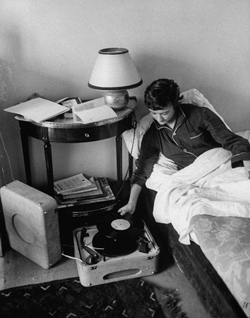
I’ve had a few people ask questions about getting into DJing. They tend to ask things like “what’re some tips for a beginner DJ?” It’s hard to answer these sorts of questions without giving too much information and without knowing about that person’s scene. So I’m going to try to write a few posts addressing key issues.
[EDIT: I’ve expanded/clarified these points here, in this post
beginning DJing: different DJing contexts’]
Of course, these are issues which I see (with my 20/20 hindsight) as key to my beginning DJing. So they’re probably not going to apply to anyone else’s experiences, or even be a terribly accurate reference point for my own DJing. But what the heck.
Firstly, here’s how I got into DJing:
It was in Melbourne in 2006. Which isn’t very long ago, really. At that time there were two large social dancing nights – CBD on Thursdays in the city and Funpit in a dance studio every second Friday night. There were also many after-class, shorter social dancing opportunities where you could get in an hour or so of dancing. The Brunswick and Camperdown classes were good spots for this. There was also a struggling Sunday afternoon/evening event at a venue called Mayfields. This died almost immediately after I did my first ever set there. I take full responsibility.
Nationally, there were two all-social dancing exchanges – Canberrang and the MLX. MLX had only just moved to social dancing only in 2005.
I had been to Herrang in 2004 and was particularly frustrated by the social dancing in Melbourne. The music really varied. There was one or two DJs who were really solid (Brian, Doris), and there were only a few who really played the sort of music I liked – classic big band swing from the swing era. Otherwise, Melbourne was awash in supergroove, neo, terrible late 90s ‘swing lite’ and contemporary artists like Michael Buble. It was killing me. I wanted to dance to the music I loved, and I wanted to dance to the music I saw in the clips from old films. DJing is not, however, a good way to do this. When you start DJing you’re almost guaranteeing you’ll never dance to your favourite songs. You’ll just be playing them for other people.
I’d been into swing for ages – long before I started dancing lindy hop. It was wanting to dance to swing that brought me to a class in Brisbane in 1998. So I’d been buying music for a while. By 2005 I had been buying CDs for dancing in earnest and had enough music to DJ with. A close friend of mine had started DJing in 2004/2005 and it was her enthusiasm and suggestions which really pushed me to start DJing. From here, it was the support of my close friends which really got me to DJing.
Before I actually played for a crowd I used to practice DJing at home, playing with my music software and doing ‘pretend’ sets. I did my first sets for small after class crowds, and they really weren’t what I’d think of as DJing. I was all caught up in the scariness/excitement and really didn’t rock. It was after about the third of these that I finally did a real set at CBD.
I was really scared.
I really could have done a ‘serious’ gig at an after-class social. But the DJing standard at CBD was so bad at that time, I don’t think I could really have done any worse.
I practiced combining songs and working on ‘flow’ between styles at home a LOT. Basically, I wanted to play stuff I loved, but I knew I was going to have to make some concessions to pre-existing tastes. In retrospect, I was going in there with an agenda: “play some good music, not that shit we hear every week.”
I think it helped that I’d been dancing so long before I started DJing. I had an idea about what might work for dancing, and I had a decent idea about the structure of swing music and how it worked with lindy hop (this is something that’s _really_ improved over my DJing lifetime). I also had an idea about what was fashionable now, and had been in the years before. So I could make some observations about ‘favourites’ and which songs had failed terribly in the past.
I did a few things for my first set:
- I approached the organiser for a chance.
- I did the first set of the night
- I asked an experienced DJ to stand next to me during my set and help me set up and handle the technical stuff
- I practiced with my laptop and DJing software til I knew it inside out. I didn’t want to have problems there in front of a crowd.
- I DJed for an hour and a half, which was a bit too long.
This is the first set I played for a real crowd. It was at CBD on Thursday 1st February, 2006, starting at 8.30pm and finishing at 10.
[title bpm artist year album]
Knock Me A Kiss 115 Louis Jordan 1943 Swingers
Let’s Call The Whole Thing Off 120 Ella Fitzgerald, Louis Armstrong, Oscar Peterson, Herb Ellis, Ray Brown, Louie Bellson 1957 Ella And Louis Again [MFSL]
Cow Cow Boogie 120 Jennie Löbel and Swing Kings 2001 He Ain’t Got Rhythm
Splanky 125 Count Basie and his Orchestra 1957 The Complete Atomic Basie
Shoo-Fly Pie and Apple Pan Dowdy 126 Stan Kenton and his Orchestra with June Christy 1945 The Best Of Big Band – Swinging The Blues
Is You Is Or Is You Ain’t My Baby? 140 Dinah Washington 1956 The Swingin’ Miss “D”
Moten Swing 138 Oscar Peterson 1962 Night Train
Out South 129 Junior Mance Trio 1962 Happy Time
Good Rockin’ Tonight 155 Jimmy Witherspoon 1963 Jazz Me Blues: the Best of Jimmy Witherspoon
Now Or Never 167 Katharine Whalen 1999 Jazz Squad
Big Fine Daddy 125 Lavay Smith and her Red Hot Skillet Lickers 2000 Everybody’s Talkin’ ‘Bout Miss Thing
Hey! Ba-Ba-Re-Bop 136 Lionel Hampton and his Orchestra 1945 Lionel Hampton Story 3: Hey! Ba-Ba-Re-Bop
For Dancers Only 148 Jimmie Lunceford and his Orchestra 1937 Swingsation – Jimmie Lunceford
C-Jam Blues 143 Lincoln Centre Jazz Orchestra with Wynton Marsalis 1999 Live In Swing City: Swingin’ With Duke
Don’t Falter At The Altar 138 Cab Calloway and his Orchestra Are You Hep To The Jive?
Let’s Do It 148 Eddie Heywood and his Orchestra (Billie Holiday) 1941 Lady Day Swings
Apollo Jump 143 Lucky Millinder and his Orchestra 1943 Apollo Jump
Shoutin’ Blues 148 Count Basie and his Orchestra 1949 Kansas City Powerhouse
Comes Love 105 Billie Holiday and her Orchestra (Harry ‘Sweets’ Edison, Ben Webster, Jimmy Rowles, Barney Kessel, Joe Mondragon, Alvin Stoller) 1957 Body And Soul
My Handy Man Ain’t Handy No More 76 Alberta Hunter (acc by Doc Cheatham, Vic Dickenson, Fran Wess, Norris Turney, Billy Butler, Gerald Cook, Aaron Bell, Jackie Williams) 1978 Amtrak Blues
Salty Papa Blues 115 Lionel Hampton and his Septet with Dinah Washington 1943 Dinah Washington:the Queen Sings – Disc 1 – Evil Gal Blues
Drinkin’ Wine Spo-Dee-O-Dee 130 Lionel Hampton and his Orchestra 1949 Lionel Hampton Story 4: Midnight Sun
Drum Boogie 176 Gene Krupa Drums Drums Drums
Looking at it now, there’s a fair bit of stuff I never DJ any more and don’t even listen to. That Oscar Peterson version of Moten Swing for a start. But in 2006 Melbourne was heavily into supergroove. There was no real interest in old school music or dancing, beyond the kids learning at Got That Swing, and a few indy dancers. The tempos in this set are really low. Oooh, that first block is tediously slow. And low energy. The tempos in Melbourne were generally extremely low. So 160bpm was crazy fast.
I posted about the set on the Swing Talk board here, though there’s nothing here on dogpossum.org.
In general terms, I think I took a few chances which were new to or underplayed in Melbourne, but used a lot of familiar stuff which I knew would work. The transitions between styles aren’t as smooth as I’d like, and the energy levels are a bit low, but this was my first set, and this was the first set of the night at the venue. If I remember rightly, it was a bit quiet in that moment after the classes and before social dancing. And that set could be heavier on the beginner dancers.
In terms of song selection, I’m surprised I played two Billie Holiday songs. I love her so much, but I rarely play her now. Which is a massive shame – she played with such wonderful bands. Handy Man was probably a moment of ‘oh I loooove this song and I _have_ to play it.’ I dunno how it went down. This was before Melbourne got into blues, so it might have had mixed results… though the preponderance of supergroove meant that Melbourne dancers were generally ok with lower tempos.
Looking back over my set lists (I’ve kept them all as playlists in itunes), I played about 22 sets in the next six months. Which is scary. I was a totally new DJ, playing heaps of sets. And I notice most of the second sets at CBD, where I was finishing, ran way over time, from anywhere to 20 minutes to one and a half hours over my rostered 1.5 hours. I do remember the organiser for that venue wasn’t all that organised, that there was a shortage of DJs willing to do sets, and that I said yes to every set I was offered. I think saying yes (often at no noticed) was a good strategy in that it got me lots of sets and got me lots of experience and exposure and got me a rep as someone you could call on in a pinch. But I’m not sure how good it was for the dancers.
Looking over the sets themselves, I didn’t suck at all (though how can you tell without seeing the effect songs had on the floor?), but I’m not sure it’s a good idea to have so few DJs working a social scene. CBD was very popular during this period, though it did decline in the following year.
There’s some interesting comment about DJs’ sets in the DJed sets thread with some interesting parallel discussions about CBD in this thread. The DJ bubbs thread is also kind of interesting.
I’ll try to do another thread on beginning DJing generally. But I don’t make any promises…
NB: looking back over those threads from SwingTalk, I’m struck by Brian’s awesome music. He was playing stuff I still haven’t discovered. It was a sad time when he gave up DJing. :(
Other posts on beginning DJing: